Key Takeaways
- 80+ comprehensive interview questions organized by topic, role, and experience level
- STAR method framework for answering behavioral questions effectively
- Role-specific preparation guides for SEO specialists, social media managers, content marketers, and more
- 2026-current best practices including GA4, AI marketing, privacy regulations, and first-party data strategies
- Practical tips for asking the right questions and negotiating salary
- Interview preparation checklist to ensure you’re ready for any marketing interview
Before diving into the specific questions, it helps to understand the digital marketing fundamentals that form the foundation of all modern marketing. This comprehensive guide will prepare you to demonstrate your expertise across all marketing disciplines.
General/Common Marketing Interview Questions {#general}
1. What is marketing, and why is it important?
Marketing is the process of identifying, creating, and delivering value to customers to meet their needs and drive business growth. It encompasses all activities that connect companies with potential and existing customers through various channels—both digital and traditional.
Marketing is important because it builds brand awareness, establishes customer loyalty, drives revenue, and provides competitive advantage in crowded markets.
Today, digital marketing has become essential as consumers spend increasing time online. Effective marketing translates business value propositions into compelling customer benefits, using data-driven strategies to reach the right audience with the right message at the right time.
In 2026, marketing also plays a critical role in establishing brand trust, especially as privacy regulations like GDPR and CCPA reshape how companies collect and use customer data.
Pro Tip: Frame your answer around measurable business impact. Instead of just defining marketing, mention how it drives specific KPIs (Key Performance Indicators) like customer acquisition cost (CAC), customer lifetime value (LTV), and return on ad spend (ROAS).
2. What is the difference between marketing and advertising?
Marketing and advertising are related but distinct disciplines. Marketing is the broader umbrella that encompasses all activities related to promoting and selling products or services—including market research, product development, pricing, distribution, and customer service.
Advertising is one specific component of marketing focused solely on paid promotional messages delivered through media channels like television, radio, digital platforms, and print.
A marketing strategy might include advertising, public relations, content marketing, direct mail, events, and sales support, while advertising is just one tactic within that larger strategy.
For example, a company’s marketing plan could involve improving SEO rankings, running Google Ads campaigns, creating blog content, and launching influencer partnerships—advertising covers only the paid Google Ads portion.
Pro Tip: Use concrete examples. Mention that while your Facebook Ads campaign is advertising, your overall customer acquisition strategy that includes organic social media, email marketing, and referral programs represents the complete marketing approach.
3. What are the four Ps of marketing?
The four Ps of marketing—Product, Price, Place, and Promotion—form the traditional marketing mix framework.
Product refers to what you’re selling (physical goods or services) and how it solves customer problems.
Price is the amount customers pay and should reflect value while remaining competitive.
Place (also called Distribution) includes all channels through which customers access the product—retail stores, e-commerce websites, mobile apps, or direct sales.
Promotion encompasses all marketing communications and activities that inform and persuade customers, including advertising, public relations, sales promotions, and content marketing.
Modern marketing extends this to the seven Ps by adding People (customer service and support), Process (how products are delivered), and Physical Environment (customer experience touchpoints). Understanding these elements helps you create comprehensive marketing strategies that address all customer experience dimensions.
4. What are the main components of a digital marketing strategy?
A comprehensive digital marketing strategy includes multiple interconnected components. Market Research and Customer Analysis establishes who your audience is, what they need, and how they behave online.
Clear Objectives and KPIs define what success looks like (sales growth, lead generation, brand awareness).
Target Audience Segmentation divides customers into groups with specific characteristics for personalized messaging.
Channel Selection chooses the right platforms (search engines, social media, email, content platforms) based on audience preferences.
Content Strategy defines what messages and formats will resonate (blogs, videos, infographics, podcasts).
SEO and Technical Optimization ensures discoverability through search engines.
Paid Advertising Campaigns (Google Ads, Facebook Ads, programmatic display) reach specific audiences at scale.
Email Marketing and Automation nurtures leads and maintains customer relationships.
Analytics and Measurement tracks performance and informs optimization.
Budget Allocation distributes resources across channels based on expected ROI. The best strategies integrate these components cohesively to create a unified customer experience across all touchpoints, from initial awareness through purchase and retention.
5. How do you measure marketing success?
Marketing success is measured through key performance indicators (KPIs) that align with business objectives.
Awareness Metrics include reach, impressions, and brand mentions.
Engagement Metrics measure interactions—clicks, comments, shares, and time on page. Conversion Metrics track desired actions—purchases, signups, or demo requests.
Financial Metrics include revenue generated, cost per acquisition (CAC), customer lifetime value (LTV), and return on ad spend (ROAS).
Customer Metrics measure retention rate, churn rate, and customer satisfaction scores.
Traffic Metrics include website visits, sessions, and organic search visibility. In 2026, with GA4 (Google Analytics 4), you can create custom events and funnels to track specific user journeys rather than just pageviews.
Selecting the right metrics depends on your campaign goal—a brand awareness campaign measures impressions and reach, while a lead generation campaign prioritizes cost per lead and conversion rate.
The most important practice is establishing baseline metrics before campaigns launch so you can calculate improvement and demonstrate ROI to stakeholders.
Regular A/B testing and attribution modeling help understand which channels and tactics drive the most valuable conversions.
Pro Tip: Always connect metrics to business goals. Instead of saying “we increased traffic by 25%,” say “we increased qualified leads by 18%, resulting in $450K additional pipeline.”
6. What is the difference between inbound and outbound marketing?
Inbound Marketing focuses on attracting customers by providing valuable content and experiences that pull them toward your brand. Customers actively seek out your information through search engines, social media, blogs, and educational resources. This approach builds trust by addressing customer problems before sales involvement. Inbound tactics include SEO, content marketing, social media engagement, and customer referrals.
Outbound Marketing involves pushing promotional messages directly to audiences whether they’re actively seeking them or not. Traditional outbound tactics include cold calling, email blasts, paid advertising, direct mail, and interruption-based advertising. Inbound marketing is generally considered more cost-effective and sustainable because it attracts qualified prospects genuinely interested in your solution, leading to higher conversion rates and better customer relationships.
Outbound marketing still has value for brand awareness and reaching audiences who aren’t yet searching for solutions. The most effective modern strategies combine both approaches—using paid advertising (outbound) to drive traffic to high-quality content (inbound) that nurtures prospects through the decision process. The ratio between inbound and outbound depends on your sales cycle, product type, and target audience sophistication.
7. What is marketing automation, and why is it important?
Marketing automation uses software platforms to execute repetitive marketing tasks, nurture leads, and personalize customer communications at scale. Tools like HubSpot, Marketo, Salesforce Marketing Cloud, and ActiveCampaign automate email sequences, lead scoring, social media posting, and behavior-triggered messages.
Marketing automation is important because it increases efficiency, improves personalization, accelerates sales cycles, and allows teams to focus on strategy rather than manual tasks. For example, when a prospect downloads a whitepaper, automated workflows can immediately send relevant follow-up emails, assign the lead to sales based on fit criteria, and log interactions in the CRM.
Automation also enables sophisticated nurturing that keeps prospects engaged even when your sales team is busy with active opportunities.
In 2026, automation platforms integrate AI capabilities that predict which leads are most likely to convert, suggest next best actions, and personalize content recommendations based on individual behavior.
Companies using marketing automation see 20-40% faster revenue growth compared to those relying on manual processes. The key to successful automation is maintaining a balance between efficiency and personalization—generic automated messages underperform, while truly personalized, value-driven sequences dramatically improve engagement and conversion rates.
8. Define customer journey mapping and its importance.
A customer journey map visualizes every interaction a customer has with your brand from awareness through post-purchase advocacy. It typically includes stages—Awareness (customer recognizes they have a problem), Consideration (evaluating solutions), Decision (choosing your company), Retention (ongoing relationship), and Advocacy (recommending to others).
The journey map details customer touchpoints at each stage, their emotions, pain points, and needs. Creating a customer journey map reveals gaps in your marketing strategy, identifies high-impact optimization opportunities, and helps teams understand the full customer experience beyond individual interactions.
For example, a technology company might discover that its product demo request page has high friction compared to other touchpoints, or that post-purchase email communication is missing, allowing customers to feel abandoned after buying.
Omnichannel strategies depend on journey mapping to ensure consistent messaging and experience whether customers interact via website, mobile app, email, social media, or sales calls.
Different customer segments may have different journeys—an enterprise customer requires longer evaluation and relationship-building, while a consumer might move from awareness to purchase in days.
Journey maps facilitate cross-functional alignment, ensuring marketing, sales, product, and customer service teams optimize their specific roles in the complete experience.
9. What is attribution modeling, and why do marketers care about it?
Attribution modeling assigns credit for conversions across the various marketing touchpoints and channels that led to the conversion.
Single-touch attribution credits only one touchpoint (first click, last click, or last non-direct), while multi-touch attribution distributes credit across the entire customer journey. Common attribution models include First-Touch (credits the channel that first introduced the customer), Last-Touch (credits the final interaction before conversion), Linear (equal credit to all touches), and Time-Decay (more credit to recent touches).
Advanced models use data-driven algorithms to calculate the actual impact of each touchpoint based on conversion probability. Attribution matters because it reveals which marketing channels and campaigns actually drive revenue, not just engagement.
Without proper attribution, marketers might over-invest in channels that create awareness but not conversions, while under-investing in subtle touchpoints that actually move prospects toward purchase.
A prospect might interact with organic search, click a Google Ad, visit a blog, watch a video, and then convert through email—proper attribution helps allocate budget fairly among these channels.
In 2026, with cookieless tracking becoming standard, first-party data and conversion modeling are becoming more important than ever. Companies using sophisticated attribution see 20-30% improvements in marketing ROI by optimizing budget allocation based on actual conversion impact rather than last-click assumptions.
Pro Tip: Mention specific attribution models when discussing this concept. Show understanding that different businesses need different models—SaaS companies might use time-decay (crediting recent touches more), while e-commerce might use linear attribution.
10. What is A/B testing, and when should it be used?
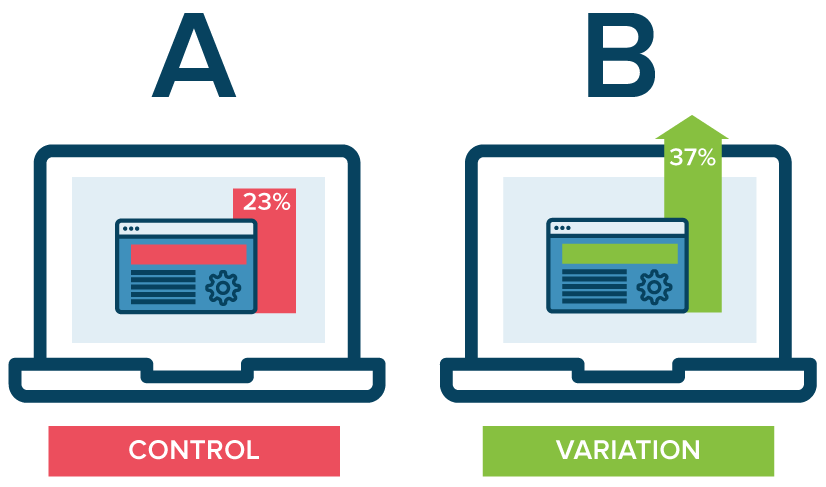
A/B testing (also called split testing) compares two versions of a marketing asset to determine which performs better. Common A/B tests include email subject lines, landing page headlines, call-to-action buttons, ad copy, page layouts, images, and pricing displays.
To run a valid A/B test, you change one element at a time while keeping everything else constant, then randomly assign users to either the control (original) version or the test version. After collecting sufficient data to reach statistical significance (typically 100+ conversions), you compare performance and implement the winning version.
A/B testing is essential because intuition often fails in marketing—what you think will work better might underperform. Testing should be used when you want to improve conversion rates, reduce bounce rates, increase click-through rates, or optimize any measurable marketing metric.
The most effective programs run ongoing tests on their highest-traffic pages, testing elements like headlines, images, form fields, and CTAs. Multivariate testing (changing multiple elements simultaneously) can identify interactions between variables but requires more traffic than A/B testing.
In 2026, with GA4 and optimization tools, running A/B tests has become accessible to teams of any size. The mindset shift from “we think this will work” to “let’s test and see” represents mature, data-driven marketing that significantly improves results.
11. What is conversion rate optimization (CRO), and what strategies do you use?
Conversion rate optimization is the practice of improving the percentage of website visitors who complete desired actions—purchases, signups, demo requests, or downloads. CRO strategies include improving page load speed (fast pages convert 15-20% better), simplifying forms (fewer fields increase completion), reducing friction in checkout processes, using social proof and trust signals, optimizing headlines and CTAs, improving page design and visual hierarchy, and removing distracting elements.
Testing is central to CRO—A/B testing different page elements reveals what resonates with your audience. Heat mapping tools show where visitors click and scroll, identifying hot spots and dead zones.
Session recordings reveal user frustrations and abandonment points. Mobile optimization is critical since over 60% of web traffic now comes from mobile devices. Clear value propositions ensure visitors immediately understand what benefit they’ll receive. For e-commerce, strategies include reducing checkout steps, offering guest checkout, displaying trust badges, and showing product reviews. For lead generation, optimizing form abandonment through progressive profiling (asking for fewer fields upfront) significantly improves conversion.
In 2026, personalization powered by first-party data and AI recommendations has become table stakes in CRO—showing different messages to different visitor segments based on their behavior and profile characteristics. Companies that prioritize CRO typically see 20-50% improvement in revenue per visitor.
12. What are marketing funnels and the different stages?
A marketing funnel visualizes the customer journey from initial awareness through final purchase, representing how prospects narrow down through stages. The traditional funnel has four stages: Awareness (prospect recognizes they have a problem), Interest (researching potential solutions), Decision (evaluating specific vendors), and Action (making a purchase).
Modern marketers refer to TOFU (Top of Funnel) for awareness, MOFU (Middle of Funnel) for consideration/interest, and BOFU (Bottom of Funnel) for decision/conversion.
Understanding funnel stages ensures you create appropriate content and messaging at each point.
TOFU content educates broad audiences about problems and solutions through blogs, guides, and educational videos.
MOFU content helps prospects evaluate options through case studies, product comparisons, and webinars.
BOFU content addresses objections and drives purchase through testimonials, pricing pages, and product demos. Analyzing funnel metrics reveals where prospects drop off—if you have strong awareness but poor conversion, your TOFU is working but MOFU messaging isn’t compelling.
The funnel continues after purchase with retention and advocacy stages, creating a full-circle customer experience. Effective funnel marketing allocates resources proportionally—if 100 people enter TOFU but only 10 reach BOFU, improving MOFU conversion (moving 15 to BOFU) delivers more impact than improving TOFU reach (getting 110 into awareness).
Modern marketing uses multiple parallel funnels for different audience segments and customer types.
13. What is brand positioning, and why does it matter?
Brand positioning is how you differentiate your brand from competitors in the minds of target customers. It’s your unique promise of value and the reasons customers should choose you over alternatives.
Strong positioning clearly articulates what makes you different—whether that’s superior quality, lower price, better customer service, innovative features, or aligned values. Nike positions itself around athletic performance and inspiration (“Just Do It”), while Tom’s positions around social impact (every purchase funds social programs).
Positioning matters because it focuses all marketing efforts, guides product development, informs pricing strategy, and helps employees understand company direction. Without clear positioning, your marketing feels scattered and customers don’t understand why they should choose you.
Effective positioning is specific enough to differentiate but broad enough to address a sizable market. It must be authentic—you can’t claim superiority you don’t deliver. Strong positioning also makes marketing more efficient by focusing resources on messages that resonate with your target audience rather than trying to appeal to everyone.
Repositioning is challenging because it requires sustained messaging change across all channels, but sometimes necessary when market dynamics shift. The five core digital marketing types all serve to reinforce and communicate your positioning to target audiences.
14. How do you conduct competitive analysis in marketing?
Competitive analysis examines competitors’ strengths, weaknesses, strategies, and market positioning to inform your marketing approach.
Start by identifying direct competitors (companies selling similar solutions to similar customers) and indirect competitors (companies solving the same customer problem differently).
Analyze their positioning and messaging—what do they claim as their key benefits? Review their pricing strategy and pricing structure. Examine their marketing channels—where do they advertise? What content do they create? How active are they on social media? Analyze their website including navigation structure, product/service offerings, and calls-to-action.
Monitor their customer reviews and testimonials to understand strengths customers value and pain points they’re addressing. Review their SEO strategy using tools like SEMrush or Ahrefs to see which keywords they rank for.
Check their social media engagement rates and content themes. Analyze their paid advertising using tools like Adbeat or AdGrafter. Interview their customers (current or former) to understand why they chose them or why they switched. The output is a competitive positioning matrix showing how each competitor differs.
This reveals gaps—problems competitors aren’t addressing that you could own, or differentiation opportunities. Effective competitive analysis doesn’t mean copying what competitors do; it means understanding the market landscape and finding your unique position.
In 2026, monitoring competitors’ marketing evolution using AI-powered intelligence tools provides real-time insights as they adjust strategies.
Pro Tip: Show that you understand competitive analysis is ongoing, not a one-time project. Mention how market dynamics shift as new competitors enter, technology changes, and customer preferences evolve.
15. What is the role of email marketing in a comprehensive marketing strategy?
Email marketing remains one of the highest-ROI channels, delivering $36-42 for every dollar spent.
Email serves multiple strategic purposes: nurturing leads through the sales funnel, retaining existing customers through engagement and special offers, re-engaging inactive customers, gathering customer data through preferences, and driving repeat purchases.
Effective email marketing requires segmentation—sending different messages to different audience groups based on characteristics and behavior rather than blasting identical messages to everyone.
Personalization (using recipient names, referencing their behavior) improves open rates 26% and click rates 42%. Automation enables triggered messages based on specific behaviors—welcome series for new subscribers, abandoned cart reminders, post-purchase follow-ups, and win-back campaigns for inactive customers.
A/B testing email elements like subject lines, send times, and CTAs continuously improves performance.
In 2026, email marketing combines first-party data with AI to predict optimal send times per individual, personalize content based on predicted preferences, and automatically generate subject lines that maximize engagement. Email is also fundamental to customer retention because acquiring new customers costs 5-25 times more than retaining existing ones.
Regular email communication builds relationships, establishes authority, and keeps your brand top-of-mind when customers are ready to repurchase. The key to email success is permission-based (subscribers opted in) rather than spam-based messaging.
SEO Interview Questions {#seo}
16. What is SEO, and why is it critical for digital marketing?
Search Engine Optimization is the practice of improving website visibility in organic (unpaid) search results through technical optimization, content quality, and authority building.
SEO is critical because 90% of digital experiences begin with search, making search visibility a primary driver of qualified traffic. Unlike paid advertising where visibility stops when you stop paying, SEO creates compounding benefits—strong rankings continue driving traffic without ongoing ad spend.
Users perceive organic results as more credible than ads, making organic traffic higher-quality and more likely to convert. SEO requires less budget than paid search while delivering higher volume at scale, though it requires strategic thinking and consistent effort.
Comprehensive SEO includes technical SEO (site speed, mobile optimization, structured data), on-page optimization (keywords, content quality, internal linking), and off-page optimization (backlinks and authority signals).
In 2026, user experience signals including Core Web Vitals (page speed, visual stability, input responsiveness) are essential ranking factors. Google’s AI-powered search algorithms now prioritize topical authority—demonstrating depth of knowledge across related topics rather than simply keyword density.
Companies maintaining strong SEO visibility see 3-5 times more traffic than comparable competitors with poor SEO, directly impacting customer acquisition costs and profitability.
Pro Tip: Demonstrate understanding that SEO is not just about keywords. Modern SEO balances keyword optimization with user experience, content quality, topical authority, and technical excellence.
17. What is the difference between on-page and off-page SEO?
On-page SEO refers to all optimization elements you control directly on your website—keyword placement in titles, meta descriptions, headers, and content; content quality and comprehensiveness; internal linking structure; page speed; mobile optimization; and user experience signals.
On-page optimization ensures search engines understand your content’s topic and relevance to specific queries.
Off-page SEO includes factors outside your website that influence rankings, primarily backlinks from other authoritative websites. Backlinks act as votes of confidence—a link from a relevant, authoritative site signals that your content is trustworthy and valuable.
The number of backlinks, quality of linking sites, relevance of linking pages, and anchor text all influence your ranking position. Other off-page factors include brand mentions, social signals, and overall online reputation.
Modern SEO integrates both seamlessly—comprehensive on-page optimization with high-quality content attracts backlinks naturally, while strong off-page authority enhances the visibility of your on-page optimization. In 2026, E-E-A-T (Expertise, Authoritativeness, Trustworthiness, and Experience) signals are critical—demonstrating real-world experience and expertise attracts both user engagement and backlinks.
The most effective SEO strategy creates valuable, comprehensive content optimized for both users and search engines (on-page), then builds authority through strategic backlink acquisition and brand building (off-page).
18. How do you conduct keyword research for SEO?
Keyword research identifies the search terms your target audience uses to find solutions you provide. Start by brainstorming seed keywords—general terms related to your business like “digital marketing tools” or “SEO software.”
Use keyword research tools like Google Keyword Planner, SEMrush, Ahrefs, or Moz to expand these seeds with related keywords and data including search volume (how many searches per month), keyword difficulty (competition level), and search intent (what users want when searching).
Categorize keywords by intent: informational keywords indicate research phase (“how to improve SEO”), navigational keywords indicate users seeking specific sites (“HubSpot pricing”), commercial keywords indicate evaluation phase (“best email marketing software”), and transactional keywords indicate purchase intent (“buy email marketing software”).
Target a mix of high-volume keywords (competitive but traffic-rich) and long-tail keywords (less competitive, more specific, often higher intent). Analyze competitor keywords to identify gaps—keywords competitors rank for that you don’t, revealing content opportunities. Seasonal trends in search volume help with content planning—publishing “2026 digital marketing trends” in December rather than May reaches peak demand. User intent alignment is critical—ranking for high-volume keywords means nothing if the intent doesn’t match your offering.
In 2026, AI-powered keyword research tools provide intent analysis, content gap identification, and topical clustering automatically, helping identify comprehensive content strategies rather than individual keyword targeting.
19. What is Google’s E-E-A-T concept, and how does it impact SEO?
E-E-A-T stands for Expertise, Authoritativeness, Trustworthiness, and Experience. These are key signals Google uses to evaluate content quality and website credibility.
Expertise means the content is created by someone with genuine knowledge and credentials in the subject—a financial advice article by a CFA charterholder carries more weight than one by a general blogger.
Authoritativeness refers to recognition of your brand and expertise within your industry—high-quality backlinks, media mentions, and positive reviews signal authority.
Trustworthiness encompasses security (HTTPS), accurate information, clear authorship, transparent policies, and good user reviews.
Experience emphasizes first-hand knowledge—a review of a restaurant from someone who actually ate there carries more weight than speculation. E-E-A-T particularly matters for “Your Money or Your Life” (YMYL) content affecting health, finance, or legal decisions, where accuracy and trustworthiness are paramount.
To build E-E-A-T, publish content created by credentialed experts with bylines and author bios, earn backlinks from authoritative sites, collect positive customer reviews and testimonials, ensure website security and transparency, and demonstrate first-hand experience and knowledge depth.
In 2026, AI content raises additional E-E-A-T challenges—publishing AI-generated content without human expertise signals lack of authenticity and can harm rankings. The most effective E-E-A-T strategy combines genuine expertise with transparency about content creation and demonstrated industry involvement.
20. How would you optimize a website for GA4 insights and SEO?
Optimizing for GA4 and SEO requires integrated strategy across both platforms. GA4 Setup: Implement GA4 event tracking to measure user behavior beyond pageviews—tracking specific actions like video watches, form submissions, product views, and purchases. Create custom events for your business-specific goals.
Set up conversion tracking for your key business objectives. Implement audience segments to understand behavior patterns of valuable users. Create custom reports analyzing which organic keywords and landing pages drive the highest-value actions, not just traffic.
SEO Optimization: Ensure your high-value pages are properly optimized for both search engines and user experience. Implement schema markup (Article, Product, FAQ, etc.) to help Google understand content and display rich results. Improve page speed and mobile experience since these are ranking factors and GA4 signals.
Create comprehensive, topical content that serves user intent thoroughly. Build internal links to guide users and distribute authority. Monitor Core Web Vitals in GA4 and optimize pages below Google’s thresholds. Use Search Console data (integrated with GA4) to identify keyword opportunities and pages needing improvement.
Analyze user behavior flows to identify drop-off points and optimize accordingly.
In 2026, the integration between GA4 and Search Console is seamless, allowing you to see which keywords drive traffic that eventually converts, informing keyword targeting priorities. The best websites optimize the complete experience—ranking highly in search AND delivering user experiences that convert, not treating search visibility as separate from conversion optimization.
Pro Tip: Mention specific GA4 features like attribution models, conversion modeling, and predictive audiences. Show that you understand GA4 goes beyond Google Universal Analytics with more sophisticated analysis capabilities.
21. What is technical SEO, and what are the key elements?
Technical SEO optimizes the technical foundation of your website to help search engines crawl, index, and rank your content.
Key technical SEO elements include Site Speed (measured by Core Web Vitals like Largest Contentful Paint, First Input Delay, and Cumulative Layout Shift), Mobile Optimization (responsive design, mobile-first indexing compatibility), SSL Certificate (HTTPS encryption for security), XML Sitemaps (helping search engines discover pages), Robots.txt (controlling crawler access), Internal Linking Structure (distributing authority and helping crawlers navigate), Structured Data Markup (JSON-LD schema helping Google understand content), Canonical Tags (indicating preferred versions of duplicate pages), URL Structure (clean, descriptive URLs), Navigation (logical, easy-to-crawl architecture), and Duplicate Content Resolution (ensuring single versions rank).
Tools like Google Search Console, Screaming Frog, and Lighthouse identify technical issues impacting crawlability and indexing. Common issues include slow page speed (use CDNs, optimize images, lazy load), poor mobile optimization (test with mobile-friendly test tool), indexation issues (submit sitemaps, fix robots.txt), crawl errors (broken links, redirect chains), and missing schema markup.
In 2026, Core Web Vitals optimization has become non-negotiable—Google penalizes sites with poor user experience signals. The relationship between technical SEO and other ranking factors is important—no amount of great content helps if your site is too slow or not mobile-friendly. Technical SEO is foundational; content quality and authority build on that foundation.
22. How would you approach building backlinks to a new website?
Backlink building (link building) requires strategy focused on quality over quantity.
Content-based approach: Create truly valuable, comprehensive content that naturally attracts links—research articles, original data, tools, guides. Promote this content to relevant websites, journalists, and influencers who might link to it.
Broken link building: Identify broken links on relevant sites in your niche, create similar (but better) content, and reach out to site owners suggesting they link to your replacement.
Guest posting: Write high-quality articles for relevant websites, including links back to your site in author bio or contextually within the article.
Resource pages: Identify resource/tools pages in your niche and request inclusion of your content.
Competitor analysis: Analyze where competitors get backlinks and pursue similar opportunities.
Digital PR: Earn media mentions and news coverage that includes links to your website.
Partnership and sponsorships: Partner with relevant organizations, gaining links through sponsor pages or collaborations.
Skyscraper technique: Find popular content in your niche, create substantially better/more comprehensive content, then reach out to sites linking to the original, recommending the improved version.
Relationship building: Build genuine relationships in your industry and naturally link to and receive links from partners, peer sites, and collaborators. Avoid black-hat techniques like buying links, link exchanges, or low-quality directory listings—Google penalizes artificial linking patterns.
In 2026, link building is more about creating value and building real relationships than acquiring links as commodities. A small number of links from highly authoritative, relevant sites provide more value than dozens of low-quality links. The most effective link building integrates with broader content marketing and brand building strategy—creating valuable content that earns links naturally, supported by relationship building and strategic outreach.
23. What are internal links, and how do you optimize them?
Internal links are hyperlinks connecting pages within the same website.
Internal linking serves multiple purposes: distributes authority from high-authority pages to other pages, guides user navigation helping visitors find related content, establishes information hierarchy showing which pages are most important, facilitates crawling helping search engines discover and index all pages, and establishes topical relationships helping Google understand how pages relate.
Effective internal linking strategy uses contextual links (links within article text connecting to related content) rather than just navigation links.
Anchor text (the linked text) should be descriptive, including relevant keywords where natural Link depth matters—frequently linked pages are treated as more important; pages requiring many clicks from homepage are crawled less thoroughly.
To optimize internal linking: identify your most important pages and ensure they receive links from many relevant pages, use keyword-rich anchor text (natural language, not over-optimized), link topically related pages together, avoid excessive links on a single page (dilutes authority), and use tools like Screaming Frog or internal link analysis reports to identify linking opportunities.
Hub pages (comprehensive pages covering broad topics) should link to pillar pages (more specific treatments), which link to hub pages, creating a topical cluster structure.
In 2026, AI tools help identify optimal internal linking patterns by analyzing content relationships and suggesting linking opportunities that users would actually find valuable.
Social Media Marketing Interview Questions {#social}
24. What is social media marketing, and which platforms matter most in 2026?
Social media marketing uses social platforms to build brand awareness, engage audiences, drive traffic, and generate leads and sales. The most important platforms depend on your target audience and business type.
TikTok dominates for reaching Gen Z and younger millennials with short-form video content (most-used platform among 18-24 year-olds).
Instagram excels for visual storytelling and e-commerce, with strong engagement particularly among 18-34 demographics.
LinkedIn is critical for B2B, professional services, and thought leadership, with highest engagement rates among B2B content.
YouTube remains dominant for video content with billions of hours watched daily, essential for educational content and entertainment.
X (formerly Twitter) drives real-time conversations, news discussions, and industry discourse.
Facebook still reaches broad demographics despite declining youth engagement, valuable for older demographics and audience targeting through ads.
Pinterest drives high-intent traffic for e-commerce, home/lifestyle, and DIY content. In 2026, emerging platforms like BeReal and emerging creator platforms continue fragmenting attention.
Short-form video (TikTok, Instagram Reels, YouTube Shorts) dominates engagement, making video expertise non-negotiable.
AI-generated content and content personalization capabilities are improving across platforms.
Community features and direct messaging are increasingly important for relationship building. Effective social media marketing requires understanding platform-specific best practices—content that works on LinkedIn differs completely from TikTok content. Most brands succeed by focusing deeply on 2-3 platforms where their audience spends time rather than spreading thin across all platforms.
Pro Tip: Demonstrate knowledge that platform strategy isn’t static. Show that you track platform trends and understand why certain platforms matter for specific audiences.
25. How do you create an effective social media content strategy?
An effective social media content strategy starts with clear objectives—awareness, engagement, traffic, leads, or sales.
Audience analysis identifies demographics, interests, pain points, and preferred content types.
Platform selection chooses platforms where your audience is most active.
Content pillars establish 3-5 themes you’ll consistently address—for a marketing software company, this might be marketing tips, product updates, customer success stories, industry insights, and team culture.
Content mix balances different content types—educational, entertaining, promotional, and community-building content typically in 80/20 ratio (80% providing value, 20% promotional).
Publishing calendar schedules content consistently—irregular posting kills engagement.
Engagement strategy defines how you’ll respond to comments, messages, and mentions within specific timeframes.
Analytics targets establish metrics like engagement rate, reach, click-through rate, and conversion rate, with goals improving month-over-month.
Trends and newsjacking leverage current events and viral trends to increase relevance and reach.
Community guidelines establish what comments/behavior are acceptable.
In 2026, personalization using first-party data to tailor content by user segment is increasingly important. AI content creation tools help with ideation, copywriting, and visual design while maintaining brand voice.
Influencer integration leveraging employee advocacy and relevant creator partnerships amplifies reach. The strategy should be documented, communicated to the team, but flexible enough to adjust as data reveals what resonates. Testing different content types and measuring performance informs continuous optimization.
26. How would you grow a small brand’s social media presence from zero followers?
Growing social media presence from zero requires focused strategy and consistent effort. Target narrow niche: Instead of trying to appeal to everyone, focus on a specific audience with specific interests—narrow focus allows dominating a niche before broader expansion.
Create exceptional content: With no existing audience, content quality is everything. Invest in visual design, compelling copy, and genuine value.
Post consistently: Regular posting establishes reliability and keeps your brand in feed algorithms. 3-5 times weekly per platform is reasonable; better to post once consistently than 10 times and then disappear.
Optimize for discoverability: Use relevant hashtags (20-30 on Instagram, 10-15 on TikTok), keywords in captions, and location tags. Hashtag research tools help identify high-volume, low-competition opportunities.
Engage authentically: Follow accounts in your niche, like and comment genuinely on their content. Genuine engagement builds reciprocal relationships.
Leverage existing channels: Cross-promote on email, website, and other marketing channels. Email lists convert to social followers at much higher rates than cold content.
User-generated content: Encourage followers to create content featuring your brand through branded hashtags and contests.
Partnerships and collaborations: Partner with complementary brands or micro-influencers for shoutouts, guest posts, or collaborations—audience cross-promotion accelerates growth.
Go live and interactive: Live video typically receives 10x more engagement than regular posts. Polls, Q&As, and interactive content increase engagement.
Be patient and measure: Growth from zero takes time (3-6 months to gain traction); measure which content types and posting times drive the most engagement and double down.
In 2026, algorithmic amplification of engaging content means even small accounts can reach large audiences if content resonates—viral isn’t limited to established accounts.
27. What metrics matter most for social media marketing effectiveness?
The right social media metrics depend on your specific goals.
Awareness metrics (reach, impressions, follower growth) show how many people see your content.
Engagement metrics (likes, comments, shares, engagement rate) show how many interact with content. High engagement rate (engaged users / total viewers) indicates content resonates despite reach.
Click-through rate (CTR) measures percentage of viewers who click links to your website.
Conversion metrics measure how many website visitors from social actually complete desired actions.
Video metrics (play rate, average watch duration, completion rate) indicate how long people actually watch videos.
Share of voice compares your brand’s mentions to competitors’ mentions in your industry.
Sentiment analysis measures whether mentions are positive, negative, or neutral.
Follower quality metrics consider follower growth rate, audience authenticity (percentage real followers vs bots), and audience alignment (are followers your target customers?).
ROI and customer lifetime value tie social metrics to actual business outcomes. The most important metric varies by goal: brand awareness campaigns optimize for reach, content marketing optimizes for engagement rate, lead generation campaigns optimize for click-through rate and cost per lead, e-commerce campaigns optimize for conversion rate and average order value.
In 2026, with algorithm changes prioritizing meaningful engagement, raw metrics like follower count matter far less than engagement quality and audience authenticity. Vanity metrics (large follower counts) don’t correlate with business results if followers aren’t engaged or relevant.
Content Marketing Interview Questions {#content}
28. What is content marketing, and why is it valuable?
Content marketing creates and shares valuable, relevant content to attract and retain a clearly defined audience, ultimately driving profitable customer action.
Unlike traditional advertising that interrupts audiences with promotional messages, content marketing provides value that audiences seek out.
Content marketing is valuable because it builds trust, establishes authority, educates prospects about solutions, attracts qualified traffic through search engines, reduces customer acquisition cost compared to paid advertising, improves SEO rankings, and creates assets that generate value continuously.
A blog post published today continues attracting search traffic months and years later, while a social ad’s value ends when the campaign stops. Content marketing also collects customer data—blog subscribers, whitepaper downloads, and email registrations build audiences you own (first-party data), unlike paid traffic that disappears when spending stops.
In 2026, content marketing has matured to premium importance—every company considers itself a media company, recognizing that content expertise is as important as product expertise.
AI tools are revolutionizing content production, allowing teams to create more content more efficiently, but increasing emphasis on authentic expertise and original insights to stand out from AI-generated commodities. Learn digital marketing strategy through structured courses covering content marketing fundamentals. The most valuable content marketing combines education (teaching audiences something useful) with subtle promotion (positioning your company as the solution).
29. What is the difference between a blog post and a whitepaper?
Blog posts are typically 1,500-3,000 words, published on a website blog, written in accessible, conversational language, addressing specific topics or questions.
Blog posts are published frequently (weekly or more), are indexed by search engines (driving organic traffic), rarely have author credentials displayed, and are free to access. Blog posts serve awareness and consideration phases, helping prospects discover your company through search and social sharing.
Whitepapers are typically 3,000-8,000+ words, in-depth explorations of complex topics, often with research, data, and technical depth. Whitepapers require email registration to download (capturing leads), are published infrequently (few per year), feature author credentials and company branding, and position the company as expert.
Whitepapers serve consideration and decision phases, providing detailed analysis prospective customers use when evaluating solutions. Blog posts drive traffic, whitepapers drive leads. A typical content strategy uses blog posts to attract search traffic and introduce topics, then offers related whitepapers for deeper exploration and lead capture.
Blog posts are about discoverability and sharing; whitepapers are about demonstrating expertise and capturing contact information.
In 2026, video has become another critical content format—explainer videos, tutorials, and thought leadership videos generate engagement while blog posts and whitepapers satisfy users wanting text-based in-depth learning.
30. How do you develop a content calendar and ensure consistent publishing?
A content calendar plans content topics, formats, publishing dates, and assigned owners weeks or months in advance.
To develop an effective calendar: audit existing content identifying top-performing topics and gaps, identify target keywords using SEO research informing blog topics, brainstorm content ideas across different formats (blog posts, videos, infographics, whitepapers, podcasts), align with business calendar scheduling content around product launches, industry events, and seasonal trends, mix content types varying between educational, entertaining, and promotional content, assign ownership designating who creates, edits, and approves each piece, schedule consistently determining publishing frequency (weekly blogs, monthly whitepapers), coordinate channels planning how content will be promoted across email, social, and partnerships, build flexibility leaving room for newsjacking and timely topics while maintaining consistency.
Use calendar tools like Asana, Monday, or even shared spreadsheets to track topics, drafts, approval status, and publication dates.
Publication day consistency is critical—publishing every Tuesday at 9am trains audiences to expect content and improves discoverability.
Pre-production buffer of 2-4 weeks allows quality review and revision rather than publishing rushed content.
Measurement dashboard tracks which topics drive most traffic, engagement, and leads, informing future calendar decisions.
In 2026, AI tools help identify trending topics and generate content ideas automatically, but human judgment remains critical in selecting ideas aligned with business goals and audience needs. Regular calendar reviews (monthly or quarterly) ensure the strategy adapts as business priorities and audience interests evolve.
31. How do you repurpose content across multiple formats and channels?
Content repurposing takes one piece of content and adapts it for different formats and channels, multiplying value from content creation effort.
Blog post to social: A 2,000-word blog post generates multiple social posts through key quotes, statistics, and insights. Video scripts become LinkedIn articles.
Blog post to email: Summarize blog posts for email newsletters, driving traffic while providing value.
Webinar to multiple formats: A 60-minute webinar becomes blog post (written transcript), multiple social posts, short video clips, podcast episodes, and email series.
Infographic to social and presentations: Infographics from blog posts perform well on Pinterest and social sharing, then are repurposed in presentations and sales decks.
Case study to content series: A customer success story becomes a blog post, short video interview, social testimonial, sales presentation, and email case study.
Research/data to different angles: Original research generates multiple blog posts from different perspectives—one about findings, another about methodology, another about implications.
Product content to educational content: Product guides become educational blog posts, tutorial videos, and webinar topics.
Video to text: YouTube videos generate blog posts, transcripts for accessibility, quotes for social, and key insights for email. The key is identifying natural adaptations rather than forcing formats.
In 2026, AI tools automate some repurposing—automatically generating social posts from blog articles, transcribing videos, or creating summaries—but humans maintain quality and appropriateness to different contexts. Effective repurposing multiplies reach without proportionally multiplying effort, extending the lifespan of original content research and creation.
Pro Tip: Mention specific examples of how different formats reach different audiences. Some people prefer videos, some prefer reading, some prefer audio—repurposing across formats ensures reaching all preferences.
32. What is SEO copywriting, and how does it differ from traditional copywriting?
SEO copywriting combines copywriting excellence (persuasive writing that motivates action) with search engine optimization principles (keyword inclusion, structure optimization, readability).
Traditional copywriting focuses purely on convincing readers to take action—solving objections, building desire, creating urgency.
SEO copywriting balances persuasion with search engine visibility, incorporating target keywords naturally throughout while maintaining compelling writing.
Keyword integration is natural in SEO copywriting—instead of “our software helps you track marketing results,” SEO copywriting might naturally say “our marketing analytics software helps you track and measure marketing results,” including the target keyword “marketing analytics.” Header structure (H1, H2, H3 tags) guides readers and search engines through content hierarchy.
Meta descriptions (155-160 characters) must be compelling summaries that encourage clicks while including target keywords.
First paragraph optimization puts important keywords early so users and search engines immediately understand topic relevance.
Content length typically 1,500-2,500+ words for competitive keywords, providing comprehensive information search engines rank highly.
Internal linking naturally connects to related content.
Readability and scannability ensure long-form content is readable with short paragraphs, bullet points, and subheaders.
User intent alignment ensures content thoroughly answers what users are searching for.
The difference in 2026 is that AI-generated content is forcing genuine SEO copywriting to emphasize authenticity, original insights, and expertise more than keyword optimization alone. Search engines reward content that demonstrates real knowledge; keyword-stuffed content signals lower quality. The best SEO copywriting reads naturally while being intelligently optimized—the optimization is invisible to readers, visible only in search rankings.
Email Marketing Interview Questions {#email}
33. What is email segmentation, and why does it matter?
Email segmentation divides your email list into groups based on characteristics and behavior, enabling targeted messaging rather than one-size-fits-all broadcasts. Segmentation can be based on demographics (location, company size, job title), behavior (pages visited, products purchased, email opens/clicks), engagement level (active subscribers vs inactive), lifecycle stage (new subscribers, paying customers, churned customers), interests (chosen preferences), and purchase history (buyers of product A, buyers of product B).
Segmentation matters because targeted emails dramatically outperform generic broadcasts—emails addressing a specific audience segment generate 58% higher open rates and 100%+ higher click rates compared to unsegmented sends. Different segments have different needs: a customer considering renewal has different message needs than a prospect in early research.
New subscribers need welcome education while long-term customers prefer exclusive offers and advanced content. Active subscribers engage regularly with email while inactive subscribers need re-engagement campaigns. Segmentation allows sending the right message to the right people at the right time, improving relevance and response rates.
Marketing automation platforms like HubSpot and Marketo enable sophisticated segmentation based on complex behavioral triggers.
In 2026, AI predictive segmentation analyzes behavior patterns to identify which segments are most likely to convert or churn, enabling proactive targeting. Segmentation also improves data deliverability—sending irrelevant emails to uninterested segments increases unsubscribe rates and spam complaints, harming sender reputation and deliverability for your entire email program.
34. How do you improve email open rates and click-through rates?
Improving email open rates requires attention to subject lines—they must be compelling, specific, and curiosity-inducing.
Questions, personalization, and urgency increase opens; generic, clickbait-y subjects decrease opens.
Send time optimization sends emails when individual subscribers are most likely to open—different people check email at different times.
Sender name affects opens—emails from people feel personal while emails from “noreply@company” feel automated.
Preview text (text displayed next to subject line) is an extension of the subject line that appears in email previews. Testing 15-20 subject line variations reveals what resonates with your audience. Improving click-through rates requires clear value propositions—readers must immediately understand why clicking matters.
Strong calls-to-action use action language (“Learn More,” “Reserve Your Spot”) and visual prominence (color, size).
Relevant content and links—readers click on links matching their interests and needs, so segmentation drives CTR improvement.
Mobile optimization ensures links are easily clickable on phones.
Email design with clear visual hierarchy draws attention to primary CTAs.
A/B testing of subject lines, send times, copy, links, and design elements continuously identifies improvements.
In 2026, AI-powered subject line generation tools create personalized subject lines predicted to maximize opens for each individual. However, authenticity and relevance remain paramount—AI-generated subject lines that don’t match email content hurt engagement. The most effective email programs A/B test continuously while maintaining authentic, relevant messaging that subscribers actually want to receive.
35. What is marketing automation, and how does it apply to email?
Marketing automation uses software platforms to execute repetitive marketing tasks at scale, including automated email sequences triggered by customer behavior.
Behavior-triggered emails send automatically when specific actions occur: a welcome series sends to new subscribers, an abandoned cart email sends when someone leaves items unpurchased, a post-purchase follow-up sequence helps new customers get value from their purchase.
Lead scoring automatically assigns point values to behaviors and characteristics (email opens, website visits, product demo requests), helping sales prioritize high-quality leads.
Lead nurturing workflows systematically move prospects through educational sequences based on their interest and engagement level.
Customer lifecycle automation orchestrates different messages at different customer stages—onboarding sequences for new customers, upsell campaigns for existing customers, win-back campaigns for lapsed customers.
Behavioral branching personalizes customer journeys based on their responses—if a customer opens an email but doesn’t click, they receive follow-up messaging; if they click, they receive advanced content.
List hygiene automation automatically removes invalid addresses, unsubscribes, and bounces, maintaining sender reputation.
Analytics and reporting automatically track performance, identifying bottlenecks and opportunities.
In 2026, AI-powered marketing automation predicts which messages will drive highest engagement for each individual and automatically optimizes send time, content, and channel. Marketing automation transforms email from broadcast channel (sending same message to everyone) to orchestrated, personalized customer experience (delivering right message to right person at right time). The result is higher engagement, faster sales cycles, and lower cost per lead.
36. What’s the difference between marketing qualified leads (MQLs) and sales qualified leads (SQLs)?
Marketing qualified leads (MQLs) are prospects who’ve engaged with marketing efforts and shown sufficient interest to pass to sales, but may not be ready to buy.
Examples: someone who downloaded a whitepaper, attended a webinar, or filled out a demo request form. MQLs have expressed interest (intent signal) but may still be in early research phases.
Sales qualified leads (SQLs) have been scored and qualified by sales as having high likelihood to purchase. Examples: prospects with authority to buy, appropriate company size/industry, and adequate budget. SQLs have cleared sales qualification criteria and are ready for direct sales contact.
The difference matters because sales shouldn’t receive unqualified leads—cold outreach to early-stage researchers wastes sales time and damages relationships. Conversely, marketing shouldn’t gate valuable content behind registration just to inflate MQL numbers if SQLs don’t materialize.
Effective lead scoring models quantify behaviors and characteristics indicating purchase readiness, establishing clear MQL-to-SQL transition criteria. Behaviors increasing lead score include multiple page visits, content downloads, product page visits, and demo requests. Characteristics like company size, industry, and job title also score. Once a lead reaches SQL threshold, it’s passed to sales with context about their interests and engagement.
In 2026, AI predictive scoring analyzes historical data to predict which MQLs will convert, helping sales prioritize and improving sales efficiency. The goal is marketing generating volume of qualified interest and sales focusing on the highest-probability conversions, with clear handoff criteria preventing both bottlenecks and wasted effort.
PPC and Google Ads Interview Questions {#ppc}
37. What is PPC advertising, and how does it differ from organic search?
Pay-per-click (PPC) advertising displays ads in search results, websites, or social platforms, with advertisers paying when users click ads.
Organic search displays unpaid listings in search results earned through SEO. PPC provides immediate visibility while SEO takes months to show results. PPC requires ongoing ad spend; organic traffic continues without payment. PPC allows precise audience targeting and bidding strategies; organic ranking depends on algorithm factors beyond direct control.
PPC testing is fast—changing ads and landing pages immediately shows results; organic changes take weeks to see full impact. PPC works best for competitive keywords where organic ranking is difficult; organic excels for long-tail, lower-competition keywords. PPC is directly measurable—you know exactly what you’re paying per click and per conversion; organic attribution is more complex.
The most effective digital marketing strategies combine both: use paid search to capture high-intent keywords where volume and competition justify ad spend, while building organic presence in long-tail keywords and branded searches. PPC complements organic by testing messaging and landing pages; winning PPC variations often become organic content and website copy.
In 2026, Google’s AI-powered bidding and audience matching make PPC increasingly sophisticated, moving from manual keyword-level management to more automated, intent-based advertising.
38. How do you structure a Google Ads campaign effectively?
Effective Google Ads campaign structure organizes keywords, ads, and landing pages logically.
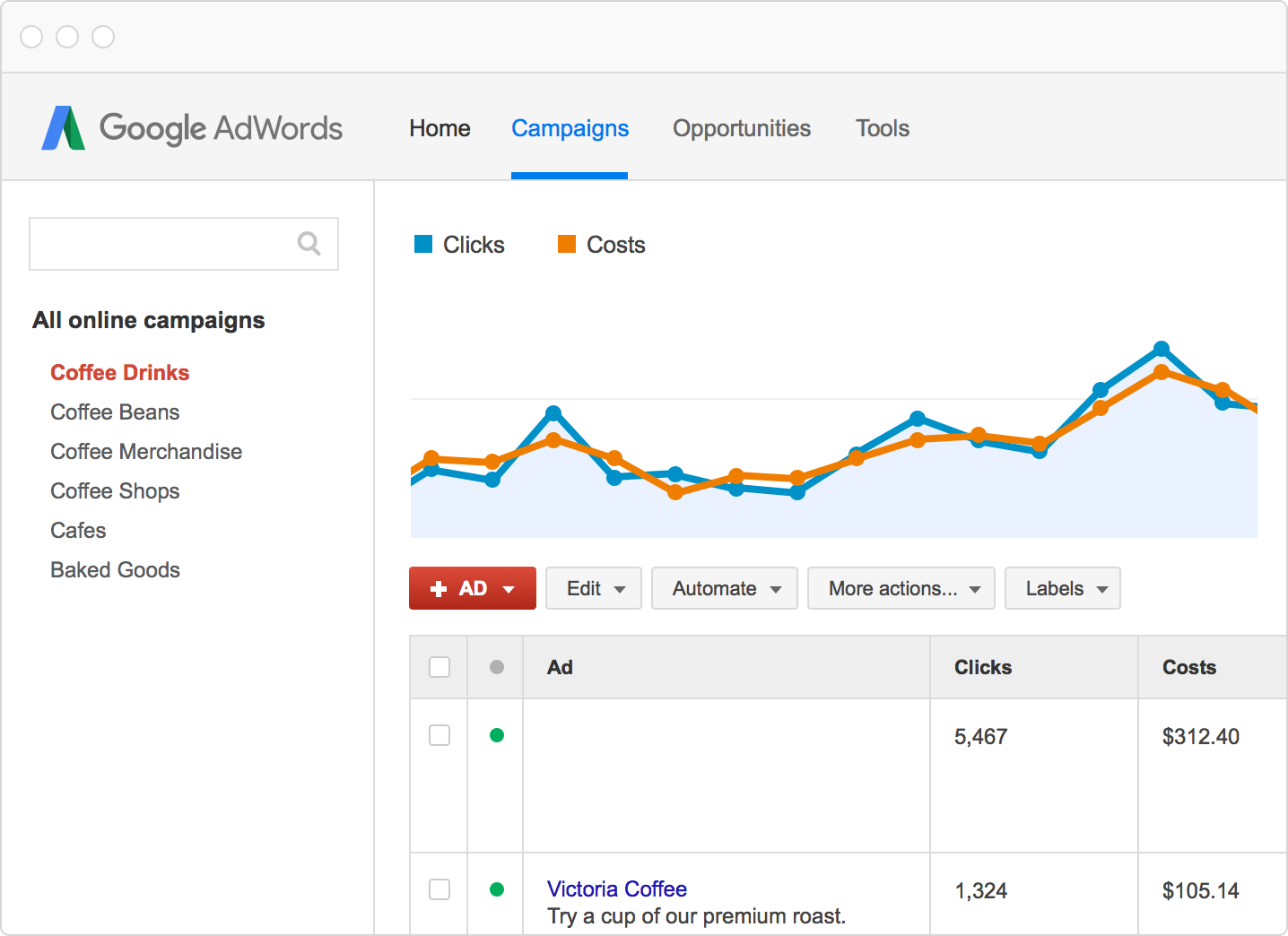
A typical structure has: Account (top level, holds multiple campaigns), Campaigns (e.g., “Brand Keywords,” “Product Keywords,” “Competitor Keywords” campaigns), Ad Groups (e.g., within “Product Keywords” campaign: “Product A,” “Product B,” “Product C” ad groups),
Keywords and Ads (keywords within ad groups match ads within the same ad groups), and Landing Pages (destinations ads drive to). Well-structured campaigns allow precise bidding—Brand keyword campaigns might bid high since they convert at high rates; less-qualified competitor keywords might bid lower.
Within Product A ad group, all keywords relate to Product A, and ads emphasize Product A benefits, creating strong relevance signals that improve Quality Score and reduce cost per click. Landing page alignment (ads and keywords about Product A link to Product A landing page) further improves Quality Score.
A common mistake is over-cramming keywords into too few ad groups—100 unrelated keywords in a single ad group creates weak relevance; instead organize into 10-15 focused ad groups.
Another mistake is using generic landing pages for all ads; dedicated landing pages for each main keyword theme convert much better. Performance reporting by campaign, ad group, and keyword reveals which segments drive best ROI, informing budget allocation.
In 2026, Google’s broad match keyword matching and automated bidding have reduced the importance of perfectly structured campaigns for reach, but structure remains critical for cost efficiency and performance analysis.
39. What is Quality Score, and why does it matter?
Quality Score is Google’s rating of keyword, ad, and landing page quality on a 1-10 scale, directly affecting ad rank, cost per click, and campaign profitability.
Components include click-through rate (CTR)—higher CTRs indicate more relevant ads; ad relevance—how closely ads match search queries; landing page experience—how relevant and useful the landing page is to the searcher.
High Quality Score decreases cost per click (Google rewards relevant ads by charging less), while low Quality Score increases cost per click (forcing you to bid higher to achieve the same position). For example, two advertisers bidding the same amount might show up in different positions if one has Quality Score 8 and the other Quality Score 5—the Quality Score 8 ad shows higher.
To improve Quality Score: write relevant ads closely matching keywords in the ad group; improve landing pages ensuring they load fast, are mobile-optimized, and directly address the ad’s promise; boost CTR through compelling ad copy, ad extensions (additional information lines), and appealing formatting; maintain keyword relevance grouping only closely related keywords together.
Quality Score improves incrementally—initial improvements come quickly, but reaching 8-10 requires sustained optimization.
In 2026, Google’s AI quality algorithms are more sophisticated in understanding intent and relevance, rewarding ads and pages that genuinely serve user intent over keyword density. Small improvements in Quality Score compound into major cost savings—moving from 5 to 7 might reduce cost per click 30-40%.
Marketing Analytics and GA4 Interview Questions {#analytics}
40. What is Google Analytics 4 (GA4), and how is it different from Universal Analytics?
Google Analytics 4 is Google’s latest analytics platform, fundamentally different from Universal Analytics (which was deprecated in 2023).
Universal Analytics tracked pageviews and sessions as the primary metric, with events as secondary.
GA4 uses events as the primary data structure, tracking all user interactions—pageviews, clicks, scrolls, video plays, form submissions—as events.
Event-driven structure allows more flexible analysis; events contain parameters (additional data) enabling rich context.
User-centric tracking follows users across devices and sessions in GA4, showing customer journey across mobile, desktop, and web.
Privacy-first design in GA4 accommodates a cookieless future, emphasizing first-party data and modeling.
Improved reporting includes predictive metrics (predicting churn or purchase likelihood) and better cross-device tracking.
Event implementation in GA4 requires deliberate setup of custom events for business goals; Universal Analytics automatically tracked many things.
Data retention differences impact historical data availability. The transition from Universal Analytics to GA4 required website owners to implement new tracking code and custom event setup, which was challenging but necessary as Google adjusted to privacy regulations.
In 2026, GA4 is the standard, and digital marketers must be fluent in GA4 setup, event implementation, custom report creation, and analysis. The learning curve is steep for those familiar only with Universal Analytics, but GA4 provides much more sophisticated analysis possibilities.
Pro Tip: Show specific GA4 knowledge. Mention features like “conversion modeling,” “predictive audience segments,” and “cross-domain tracking.” This demonstrates hands-on experience.
41. How do you set up custom events and conversions in GA4?
Custom events and conversions in GA4 allow tracking business-specific interactions beyond standard page views.
Custom events track user actions relevant to your business: form submissions, video plays, product views, wishlist additions, chat interactions, or file downloads. To set up custom events: implement event tracking code using GA4 measurement protocol (either through Google Tag Manager or direct code), define event parameters (additional data sent with the event—product name, form type, video title), test event implementation using GA4 real-time reports to ensure events fire correctly, name events consistently using clear naming conventions (e.g., “form_submit_contact” instead of “form1”).
Conversions are important events you want to measure—form submissions, purchases, signups. Marking events as conversions causes them to appear in conversion reports and affects modeling. Setting up conversions: navigate to Admin > Conversions > New Conversion Event, select or create the event. Once marked as conversion, that event appears in conversion-specific reports.
Debug mode (available in Google Tag Manager) helps troubleshoot tracking—verify events fire when you intend.
Measurement validation compares GA4 data to other sources (CRM, email platform) to ensure accuracy. Common mistakes include creating too many events (slows down site and complicates analysis) or creating too few (missing important interactions). Best practice is creating 5-15 key events covering major user interactions and business objectives.
In 2026, AI-powered event recommendation tools suggest which events matter most based on business goals.
42. How would you analyze user behavior flows and identify drop-off points in GA4?
GA4’s Funnel Analysis feature reveals where users drop off in multi-step processes like checkout, signup, or demo request. To analyze funnel drop-off: define funnel steps (e.g., Product Page > Add to Cart > Initiate Checkout > Enter Shipping > Enter Payment > Complete Purchase), create funnel report using GA4’s Funnel Analysis, analyze completion rates at each step (what percentage complete each step), identify drop-off points (where do most users abandon—Payment step shows 40% drop-off while others show 5-10%).
Once identified, investigate why: Payment step drop-off might indicate payment form friction, security concerns, or shipping cost surprise.
Segment analysis reveals if drop-off varies by traffic source, device, location, or other dimensions—perhaps payment drop-off is higher on mobile (form friction) than desktop.
Session recordings and heatmaps using supplementary tools like Hotjar or Clarity show exactly what users do—do they try submitting the form multiple times, do they scroll looking for information, do they click outside the form.
User feedback through surveys or exit-intent messages asks users why they abandoned.
A/B testing fixes tests whether reducing form fields improves completion, simplifying language improves understanding, or adding trust badges improves confidence.
In 2026, GA4’s integration with AI tools automatically flags unusually high drop-off rates and suggests optimization opportunities. The goal is understanding not just that drop-off occurs, but why, so you can fix root causes rather than symptoms.
43. What are attribution models, and which should you use?
Attribution models assign credit for conversions across the customer journey, determining which touchpoints drove conversions.
First-Touch Attribution credits the first interaction (discovery channel). A customer who first found you through Google Ads gets credit assigned to Google Ads even if they later converted through email.
Last-Touch Attribution credits the final interaction before conversion. Same customer’s conversion is credited entirely to email.
Linear Attribution distributes credit equally across all touches—if 5 interactions led to conversion, each gets 20% credit.
Time-Decay Attribution gives more credit to recent touches; if 5 interactions occurred, the most recent receives 50% credit, second-most recent 30%, and so on.
Position-Based (First/Last) gives 40% credit to first and last interactions, 20% to middle touches.
Data-Driven Attribution (premium GA4 feature) uses machine learning to calculate each interaction’s actual impact on conversion probability. The “right” model depends on your business: B2B with long sales cycles benefit from time-decay (recent touchpoints matter more), bottom-funnel campaigns might use last-touch, brand awareness campaigns might use first-touch. The key limitation of single-model attribution is that different channels play different roles—top-of-funnel channels drive awareness, bottom-funnel channels drive conversion, and mid-funnel channels nurture consideration.
A customer might discover you through organic search (first), engage with your content (middle), see a paid retargeting ad (last), and convert on the paid ad. Crediting only the paid ad ignores the organic and content roles in the journey.
Multi-model analysis applying different models to the same data reveals how credit assignment method influences budget allocation decisions.
In 2026, GA4’s conversion modeling addresses cookieless tracking limitations by modeling the likely impact of touchpoints even when complete data isn’t available.
AI in Marketing Interview Questions {#ai}
44. How is AI changing marketing in 2026?
AI is fundamentally transforming marketing through content generation (tools like ChatGPT, Jasper, and Claude generate ideas, drafts, and copy), personalization at scale (AI analyzes first-party data to deliver individualized experiences to millions of users), predictive analytics (AI predicts customer churn, lifetime value, and conversion likelihood), automation (AI automates routine tasks like email send time optimization, bid management, and customer segmentation), chatbots and conversational marketing (AI-powered conversational interfaces handle customer inquiries 24/7), voice and visual search (AI powers voice assistants and image recognition), and marketing mix optimization (AI determines optimal budget allocation across channels and campaigns).
Content creation is perhaps most visible—teams use AI to brainstorm topic ideas, generate article outlines, draft blog posts, write social captions, and create subject lines at scale. However, authenticity concerns have emerged—AI-generated content without human expertise signals lower authority to search engines. The most effective AI application combines AI efficiency with human expertise and judgment.
Personalization is increasingly sophisticated; AI analyzes behavioral data, purchase history, and characteristics to recommend products, predict content preferences, and send personalized messages at optimal times.
Predictive analytics help identify which customers are most likely to churn (enabling proactive retention), which leads are most likely to convert (enabling sales prioritization), and which segments respond best to specific messages (enabling creative optimization).
In 2026, concerns about AI content overload and authenticity have matured the conversation—leading marketers use AI as a productivity tool while emphasizing original insights and genuine expertise. The competitive advantage has shifted from “can we use AI?” to “how do we use AI effectively while maintaining authenticity?”
45. How would you use ChatGPT or similar AI tools responsibly in marketing?
Responsible AI marketing use balances efficiency gains with authenticity and accuracy. Content ideation and outlining is ideal AI use—generating article topic ideas or outlining structure, then having humans write and edit.
Draft acceleration uses AI to create initial drafts that humans revise substantially—the final piece is human-reviewed, factual-checked, and represents expert opinions.
Copywriting assistance uses AI to generate multiple headline variations that humans evaluate and refine.
Email and social copywriting benefits from AI generating variations humans select and refine.
Data analysis using AI tools like ChatGPT to interpret analytics and suggest optimization opportunities (AI doesn’t replace analysts but augments their analysis).
Avoiding misuse: Publishing AI-generated content without human review creates quality and accuracy issues. Relying solely on AI for strategy decisions ignores human judgment and context understanding. Over-relying on AI personalizations without human empathy creates creepy or irrelevant experiences.
Representing AI-generated content as human-created erodes trust when discovered. Not disclosing AI involvement when required by regulation (some jurisdictions require AI disclosure) creates legal risk.
In 2026, best practices emphasize human-in-the-loop AI where AI handles efficiency and scale, while humans maintain quality control, fact-checking, strategic decision-making, and authentic voice. The goal is using AI to free humans from routine tasks so they focus on high-value strategic thinking, while maintaining authenticity that AI alone can’t provide.
46. How does AI impact customer personalization?
AI enables customer personalization at scale previously impossible.
Behavioral analysis uses AI to identify patterns in customer behavior—purchase frequency, product preferences, price sensitivity, content consumption—predicting future behavior.
Predictive recommendations use AI models trained on historical data to recommend products customers are likely to purchase, with personalization improving conversion rates 20-30% versus generic recommendations.
Dynamic content changes website and email content based on individual user characteristics—a first-time visitor sees different messaging than a returning customer; someone interested in enterprise solutions sees different content than SMB buyers.
Chatbot personalization AI-powered customer service remembers previous interactions and customer preferences, providing contextually relevant support.
Send-time optimization AI determines when each individual user is most likely to open emails and schedule sends accordingly (instead of one send time for everyone).
Subject line optimization AI generates and tests multiple personalized subject lines, selecting the highest-predicted-performance version for each user.
Content curation personalized news feeds, podcast recommendations, and article suggestions use AI to understand individual preferences and recommend relevant content.
Segmentation automation AI identifies natural audience segments based on shared characteristics, creating personalization groups more sophisticated than manual segmentation.
In 2026, privacy-respecting personalization has become critical—GDPR, CCPA, and evolving regulations require first-party data reliance and user consent. AI personalization using first-party data (customers willingly share with you) outperforms third-party cookie-based personalization while respecting privacy. The most effective AI personalization balances relevance with respect—personalized enough to feel relevant, not so detailed it feels creepy.
Marketing Interview Questions for Freshers {#freshers}
47. Why do you want to work in marketing?
This common “Why marketing?” question assesses motivation and career direction fit. Strong answers connect personal interests to marketing’s role in business impact.
Consider these angles: Problem-solving excitement—you enjoy understanding customer problems and designing solutions, and marketing is about identifying problems customers face and positioning solutions compellingly.
Creative expression—you enjoy creative work (writing, design, storytelling) and see marketing as combining creativity with strategy.
Business impact—you’re motivated by seeing how your work drives measurable business results; marketing directly impacts revenue and growth.
People and psychology—you’re curious about human behavior and decision-making; marketing applies psychology to understand and influence customer choices.
Technology and data—you enjoy working with marketing technology tools and analyzing data; marketing is increasingly technical and data-driven.
Continuous learning—marketing evolves rapidly with platform changes and trend shifts, providing constant learning opportunities that appeal to curious people.
Problem-solving—you enjoy working on complex challenges (how do we grow faster, acquire customers more cheaply, improve conversion?) and marketing is fundamentally problem-solving. Your answer should be authentic—interviewers notice rehearsed-sounding responses.
Avoid generic answers like “marketing is important for business.” Instead, share a specific experience that sparked your interest: perhaps you saw a brilliant marketing campaign that impressed you, took a marketing course that fascinated you, or solved a problem that marketing could have helped with.
The best answers combine passion (why you’re interested) with strategic thinking (understanding what marketing actually does and its impact on business).
48. What is your understanding of the marketing funnel?
The marketing funnel shows how prospects move from initial awareness to purchase. For freshers, this is a foundational concept you must understand.
Awareness stage is when prospects first recognize they have a problem or need—marketing creates awareness through content, ads, and brand presence.
Interest stage is when prospects actively research solutions—marketing provides educational content, comparisons, and vendor information.
Decision stage is when prospects narrow to finalists and make purchasing decisions—marketing provides case studies, testimonials, and sales support.
Retention stage (post-purchase) is maintaining customer relationships through support, communication, and upsell opportunities.
Advocacy stage is when satisfied customers recommend you to others. Different funnel stages require different messaging—top-of-funnel content educates broadly; bottom-of-funnel content addresses specific objections.
Marketing’s role is moving prospects from one stage to the next; pushing someone too hard toward purchase before they’re ready causes them to abandon.
Understanding funnels helps with budget allocation (allocating resources proportionally to funnel stages), content strategy (creating appropriate content for each stage), channel selection (awareness channels like content and social vs. decision channels like demos), and success measurement (defining success appropriately for each stage—awareness focuses on reach, decision focuses on conversion).
49. What digital marketing channels do you think are most important and why?
Thoughtful answer to this shows research and understanding. Rather than listing all channels, explain that the “most important” channels depend on audience and business type.
A few key points: SEO and organic search (90% of digital experiences start with search; high-intent users actively seeking solutions).
Content marketing (builds trust, educates, attracts organic traffic; every channel and tactic ultimately serves to deliver valuable content).
Social media (where audience spends time varies by demographic; B2B emphasizes LinkedIn, B2C emphasizes Instagram, TikTok, Pinterest depending on product).
Email marketing (highest-ROI channel—$36-42 per dollar spent; you own email list unlike rented social followers).
Paid advertising (immediate reach, testing ground for messaging).
Video (highest engagement rates; YouTube is second-largest search engine after Google).
Mobile (over 60% of web traffic, mobile-first indexing standard). A strong answer might emphasize that channels are interconnected—SEO drives organic traffic, email nurtures those visitors, retargeting ads re-engage abandoned visitors, organic social shares content to broader audiences. Rather than one “best” channel, integrated strategy using multiple channels reaches audiences wherever they are in the journey.
50. How would you stay updated on marketing trends and best practices?
This shows commitment to continuous learning, important in rapidly evolving marketing. Good answers mention: Industry publications (HubSpot Blog, MarketingProfs, Neil Patel, Search Engine Journal, Social Media Today); Podcasts (Marketing Against the Grain, GaryVee, Content Strategist podcast, The Growth Show); Industry conferences (Adobe Summit, Content Marketing World, INBOUND); Online communities (Reddit r/marketing, Marketing Against the Grain community, LinkedIn groups); Newsletters (Morning Brew, The Verge, CMO Today); Courses (taking online courses quarterly on new topics, staying certified on platform updates); Networking (connecting with other marketers for perspective and learning).
Following thought leaders on LinkedIn and Twitter provides real-time trend insights. The most effective answer shows specific actions—”I read 3-4 industry articles weekly,” “I’m working through a HubSpot Academy course,” “I follow 10-15 marketing thought leaders on LinkedIn for perspective.” Passive consumption matters less than active engagement; showing you apply what you learn through experimentation and discussion demonstrates commitment.
In 2026, AI tools like ChatGPT can help marketers stay updated through research synthesis, but following primary sources and thought leaders remains important for understanding nuance and context.
51. What would you do if a marketing campaign wasn’t delivering expected results?
This assesses problem-solving approach and resilience in face of failure. Strong approach: identify what “not working” means specifically—is traffic low, conversion rate low, cost per acquisition high, or engagement low? Different problems have different solutions.
analyze root causes—traffic low might indicate visibility issue (SEO, paid spend); conversion low might indicate message-market fit or funnel friction; engagement low might indicate audience mismatch. gather data—review analytics, run surveys, conduct user testing to understand what’s failing. hypothesize improvements—based on data, form specific hypotheses about what would improve results. test changes systematically—run A/B tests on likely improvements rather than guessing. measure results—did changes improve metrics? If not, iterate. communicate findings—share learnings (what didn’t work and why) with stakeholders.
Don’t panic or give up—framing failure as learning opportunity rather than catastrophe. Avoid answers that suggest ignoring poor results, blaming external factors entirely (market conditions impact results, but so does campaign quality), or making radical changes without testing. The best answer shows systematic thinking, use of data, testing methodology, and learning orientation. Freshers showing this problem-solving mindset despite limited experience impress interviewers.
Marketing Manager Interview Questions {#manager}
52. How do you develop and manage a marketing team?
This tests leadership and organizational skills. Key elements: hire for complementary skills—evaluate team members’ strengths (strategy, execution, analytics, creativity, relationship-building) and build diverse teams with complementary skills.
Set clear expectations and goals—each team member should understand their role, expectations, and how they contribute to team goals.
Provide coaching and feedback—regular feedback (weekly/monthly) helps team members improve; recognition and development build engagement.
Delegate effectively—match team members’ capabilities to projects; stretch assignments with support develop skills.
Remove obstacles—leadership responsibility is removing blockers preventing team execution.
Foster collaboration—encourage knowledge sharing, cross-functional projects, and supportive peer relationships.
Invest in development—fund training, conferences, and certifications helping team members grow.
Measure and improve—track team productivity, engagement, and retention; iterate management approach based on data.
Lead by example—transparent communication, ethical behavior, and continued learning set culture tone.
Diverse team composition—intentional hiring for diversity (demographic, professional background, thinking styles) improves outcomes and culture.
Employee retention—losing strong team members is costly; understand motivations, provide growth paths, pay competitively. Inexperienced managers sometimes struggle with balancing being friendly with being authoritative, providing autonomy with maintaining accountability, or demanding results while supporting development. The best managers find balance—supportive and demanding simultaneously, empowering teams while maintaining clear direction.
53. How do you prioritize marketing initiatives?
Effective prioritization balances impact, effort, and strategic alignment framework: align with business strategy—ensure initiatives advance business goals (growth, profitability, market share).
Assess impact potential—estimate how much each initiative could improve key metrics (revenue, leads, market awareness, customer retention).
Evaluate effort required—estimate resources needed (team time, budget, tools, timeline). calculate ROI—impact divided by effort reveals efficiency; focus on high-impact, reasonable-effort initiatives.
Consider urgency—some initiatives are time-sensitive (seasonal campaigns, product launches, competitive threats).
Risk assessment—some initiatives are proven (low risk, predictable ROI), others are experimental (uncertain payoff). A prioritization matrix plots impact (vertical) against effort (horizontal), identifying quick wins (high impact, low effort), strategic projects (high impact, high effort worth the investment), time wasters (low impact, high effort to avoid), and low-priority items (low impact, low effort).
Leading practice: focus on fewer initiatives—many teams try too much. Doing three initiatives excellently outperforms doing ten initiatives partially.
Revisit priorities regularly—quarterly reviews adjust as circumstances change.
Communicate rationale—team understanding why initiatives are prioritized improves buy-in.
Track actual results—update estimates based on actual results; forecasting improves over time. In 2026, data-driven prioritization using predictive analytics helps quantify impact potential before investing.
54. How do you measure ROI on marketing initiatives?
ROI measurement requires clear definition of returns and costs. Framework: define business objective—revenue increase, lead generation, customer acquisition, retention improvement, brand awareness. establish baseline—measure the starting point (current acquisition cost, conversion rate, customer lifetime value) before initiative.
Track spend—accurately measure all costs (media spend, tool costs, team time, agency fees) attributable to the initiative.
Measure outcomes—track the metric connected to the objective (revenue from attributed sales, number of leads, customer acquisition cost, retention rate, brand awareness lift).
Attribute correctly—understand which revenue or outcomes resulted from the specific initiative (attribution modeling discussed above).
Calculate time-to-ROI—some initiatives (ads) show ROI quickly; others (SEO, brand building) require months to show full ROI.
Include indirect benefits—some initiatives generate indirect benefits (brand awareness from a lead gen campaign, customer retention from a sales-focused campaign).
Compare to baseline and goals—did ROI exceed expectations, meet goals, or underperform?
Benchmark against alternatives—did this initiative deliver better ROI than alternative uses of the same budget?
Communicate clearly—translate financial results into business language stakeholders understand. Marketing ROI is complex because customer journeys are complex; no single channel should receive 100% credit for conversions. The healthiest approach attributes conservatively (using attribution models discussed above) while recognizing multiple channels contributed.
In 2026, advanced marketing mix modeling (MMM) uses AI to accurately calculate cross-channel impact when deterministic attribution isn’t possible.
Behavioral/Situational Marketing Interview Questions with STAR Method {#behavioral}
55. Tell me about a time you had to develop a marketing strategy with limited budget. (STAR Method)
STAR method: Situation (context), Task (your responsibility), Action (what you did), Result (outcomes).
Situation: “At my previous company, a SaaS startup, we had $15K monthly marketing budget for a six-month product launch campaign aimed at SMB companies who could barely afford our solution.”
Task: “As marketing coordinator, I was responsible for creating awareness and generating qualified leads despite severe budget constraints compared to our enterprise competitors spending millions on marketing.”
Action: “Rather than overspending on paid advertising, I focused on cost-effective channels. First, I developed comprehensive SEO and content strategy targeting long-tail keywords our audience used, creating 16 blog posts over four months addressing specific pain points.
I built internal partnerships with sales and product teams, leveraging their customer conversations to ensure content addressed real needs. Second, I built email nurture sequences and community engagement—launching a free Slack community for our target audience where we provided free resources and support while organically mentioning our product. Third, I conducted outreach to complementary software companies and industry blogs, securing 12 guest posts and podcast appearances mentioning our solution.
Finally, I leveraged team members as advocates, encouraging them to share company content on LinkedIn.”
Result: “Without increasing budget, we generated 340 qualified leads over six months (initial goal was 250), at $45 cost-per-lead (industry average for our space is $90). The organic content generated 8,000 monthly visits after six months and continues generating leads 18 months later. The community grew to 1,200 members providing product feedback and becoming advocates. Two of the podcast appearances resulted in direct conversations with enterprise buyers interested in volume licensing.”
Pro Tip: This example shows resourcefulness, strategic thinking (identifying alternatives to expensive channels), cross-functional collaboration, and result orientation. Tailor examples to your actual experience.
56. Describe a situation where a marketing campaign failed and what you learned.
This tests humility, problem-solving, and learning orientation. Structure with STAR method:
Situation: “I led a paid social media campaign targeting homeowners ages 35-55 with home improvement products, with $20K budget and goal of 500 sales.”
Task: “As campaign manager, I was responsible for campaign strategy, audience targeting, ad creative, and hitting sales goals.”
Action: “I created visually appealing ads showing before-and-after home improvements and landed on conversion-focused landing pages. The campaign launched and we were getting good click-through rates (3.5%) but unexpectedly low conversion rates (0.8%) compared to the 2-3% we typically see. Rather than abandoning the campaign or continuing spending, I investigated. I reviewed analytics and user session recordings, discovering that visitors didn’t understand the product functionality—they arrived excited by the before-and-after images but weren’t sure what they were actually buying. The landing page led with product images and technical specs without clearly explaining benefits. Additionally, I noticed hesitation around pricing (visitors spent disproportionate time on pricing page before abandoning).”
Result: “I updated landing pages to include clearer product explanations and demonstration videos. I adjusted ad copy to set expectations about what they’d receive before landing. I added customer testimonials addressing pricing concerns. The revamped campaign ran for two weeks and improved conversion rate to 1.9% (still below target but much improved from 0.8%), ultimately generating $18K in revenue on the $20K spend rather than the projected $50K. While the campaign didn’t hit ambitious goals, the learning was valuable—visually attractive ads aren’t enough if there’s a gap between ad promise and landing page clarity.”
Learning: “This taught me the importance of gap analysis—understanding how campaign messaging aligns with landing page expectations, and using analytics and qualitative feedback to diagnose problems rather than just scaling spend.”
Questions to Ask the Interviewer {#questions-ask}
57-60. What Questions Should You Ask?
Asking the right questions shows genuine interest and helps you assess fit. Avoid questions easily answered on the website or asking about compensation/vacation before offer stage.
About the role:
- “What does success in this role look like in the first 90 days?”
- “How do you define success for this marketing position, and what metrics matter most?”
- “What’s the biggest challenge this team/company is facing from a marketing perspective?”
- “What does the marketing tech stack look like, and which tools are you planning to add or replace?”
About the team and company:
- “How is the marketing team structured, and how do you collaborate with sales, product, and other departments?”
- “What’s the company culture like, and how does it show up in day-to-day work?”
- “How do you approach failure—are teams encouraged to experiment and learn, or is there pressure for perfection?”
- “What attracted you to this company, and what do you enjoy most about working here?”
About growth and development:
- “What professional development opportunities does the company provide?”
- “How do you see this role evolving over the next 2-3 years?”
- “What does a typical career path look like for someone in this role?”
About decision timeline:
- “What’s your timeline for making a hiring decision?”
- “What are the next steps in the interview process?”
These questions show you’re thoughtful, genuinely interested in fit, and thinking strategically—all positive signals to interviewers.
How to Prepare for a Marketing Interview {#prepare}
61. Interview Preparation Framework
Effective interview preparation combines knowledge mastery, practice, and strategy.
1. Research the Company (2-3 hours)
- Review website, “About Us,” recent blog posts, press releases
- Follow company social media accounts observing tone, values, current initiatives
- Search company news and recent funding/announcements
- Review job description carefully, noting key requirements and responsibilities
- Identify 2-3 questions about company strategy, initiatives, or challenges
2. Research the Role (1-2 hours)
- Understand typical responsibilities for the role and seniority level
- Identify overlaps with your experience; prepare examples showcasing relevant skills
- Review industry benchmarks for the position (typical salary, required skills, career progression)
- Prepare questions specific to the role’s day-to-day work and success metrics
3. Practice Behavioral Questions with STAR Method (2-3 hours)
- Brainstorm 8-10 professional stories demonstrating key competencies: leadership, problem-solving, creativity, analytical thinking, handling failure, teamwork, achieving results under pressure
- Write out stories using STAR method (Situation, Task, Action, Result)
- Practice delivering stories conversationally (not memorized) in 2-3 minutes
- Prepare for common variations: “Tell me about a time you failed,” “Describe a conflict with a colleague,” “Share an example of exceeding expectations”
4. Master Your Experience (2-3 hours)
- Create summary document of accomplishments, metrics, technologies, and tools you’ve used
- Quantify impact where possible (revenue generated, cost savings, efficiency improvements, traffic/lead increases)
- Practice explaining your marketing work and accomplishments clearly and concisely
- Prepare elevator pitch: 30-second summary of who you are, relevant experience, and career goal
5. Study Marketing Fundamentals (3-5 hours)
- Review core marketing concepts, channels, metrics, and tools
- Study questions in this guide, especially those in sections most relevant to the role
- Ensure understanding of GA4, attribution modeling, customer journey, marketing funnels, SEO, paid advertising, email marketing, and analytics
- Familiarize yourself with tools mentioned (HubSpot, Google Analytics, Google Ads, Facebook Ads Manager, etc.)
- Stay current on 2026 marketing trends (AI in marketing, privacy regulations, GA4, omnichannel strategies)
6. Practice (1-2 hours)
- Do mock interviews with friend or mentor; record yourself practicing
- Practice answering questions out loud (sounds different from thinking through answers)
- Practice writing out answers to technical/conceptual questions
- Time yourself to ensure answers are concise without being rushed
- Get feedback on clarity, confidence, and storytelling
7. Prepare Materials (1 hour)
- Print copies of resume, portfolio, or case studies if relevant
- Prepare list of references with permission to contact
- Create document with company research, questions to ask, and notes
- Have LinkedIn URL, portfolio website, or GitHub ready to share if relevant
8. Prepare Logistics (1 hour)
- Research location and parking if in-person interview
- Plan travel time (arrive 10-15 minutes early for in-person; test tech 10 minutes early for virtual)
- Prepare outfit (professional dress code depends on company culture; when in doubt, lean slightly formal)
- Prepare notebook and pen (shows professionalism and allows note-taking)
- Ensure quiet, professional environment if virtual (good lighting, minimal background distractions, strong internet connection)
9. Day-of Preparation
- Get adequate sleep night before (fatigue impacts performance)
- Eat properly before interview (low blood sugar impairs thinking)
- Review notes on company, role, and questions you want to ask
- Arrive early, calm yourself, mentally review key points
- Remember: interviewers want you to succeed (they need to hire someone)
Common Mistakes to Avoid in Marketing Interviews {#mistakes}
62. Top Interview Mistakes
1. Being too generic
- Mistake: Answering “What is marketing?” with textbook definition
- Better: “Marketing is the connection between customer needs and business solutions. In my experience, the most effective marketing combines understanding customer psychology with data-driven decision-making to deliver relevant messages at the right time.”
2. Lacking specific examples
- Mistake: “I’m good at campaign management”
- Better: “I managed a product launch campaign for a mid-market software that generated $450K revenue with $85K budget spend, achieving 4.2x ROAS through targeted content marketing and strategic paid advertising.”
3. Failing to quantify accomplishments
- Mistake: “I improved email marketing”
- Better: “I improved email open rates from 18% to 24% and click-through rates from 2.3% to 3.8% through subject line A/B testing and send time optimization, resulting in 30% more conversions from the same subscriber base.”
4. Not connecting experience to the role
- Mistake: Telling stories unrelated to the job you’re interviewing for
- Better: If interviewing for PPC role, prioritize PPC examples; if social media role, prioritize social examples
5. Criticizing previous employers or colleagues
- Mistake: “My last manager was terrible and didn’t understand digital marketing”
- Better: “I learned a lot at my previous company, though the organization’s focus on vanity metrics rather than conversion metrics taught me the importance of aligning marketing to business outcomes.”
6. Lack of genuine interest in the company
- Mistake: Generic answers suggesting you’re interviewing for any company
- Better: “I’ve been impressed by your recent product announcements and the content marketing blog—particularly the article on [specific piece]. It aligns with marketing approaches I believe in.”
7. Failure to ask questions
- Mistake: “No, I don’t have any questions”
- Better: Ask 2-3 thoughtful questions about the role, team, or company
8. Rambling or being too verbose
- Mistake: Taking 5 minutes to answer a simple question
- Better: Answer concisely (1-2 minutes), then offer to elaborate if interested
9. Not knowing the basics
- Mistake: Interviewing for marketing role but being unable to explain CTR, ROAS, or Google Analytics
- Better: Master foundational concepts
10. Overconfidence or false claims
- Mistake: Claiming expertise you don’t have (easily caught in follow-up questions)
- Better: Be honest about experience level while showing learner mindset and growth potential
11. Focusing only on past jobs, not growth
- Mistake: Reciting job titles and responsibilities
- Better: Emphasize growth, learning, and skills developed
12. Being inflexible on salary/benefits
- Mistake: Making demands before understanding role, company, or opportunity
- Better: Research industry standards, discuss range, and focus on total opportunity
Marketing Interview Preparation Checklist {#checklist}
| Preparation Area | Task | Status |
|---|---|---|
| Company Research | Review website, recent news, products/services | ☐ |
| Follow company on social media, assess brand voice | ☐ | |
| Identify 2-3 questions about company strategy | ☐ | |
| Review job description line-by-line | ☐ | |
| Role Research | Understand typical responsibilities for this role | ☐ |
| Benchmark salary expectations | ☐ | |
| Identify skills overlap with your experience | ☐ | |
| Experience Preparation | Create accomplishment summary with metrics | ☐ |
| Prepare 8-10 STAR method stories | ☐ | |
| Practice elevator pitch (30 seconds) | ☐ | |
| Prepare examples of work/portfolio | ☐ | |
| Marketing Knowledge | Review core marketing concepts (funnels, channels, metrics) | ☐ |
| Study questions relevant to the role | ☐ | |
| Master GA4, attribution, SEO, paid ads, email marketing | ☐ | |
| Stay current on 2026 trends (AI, privacy, omnichannel) | ☐ | |
| Technical Preparation | Ensure all tools/software knowledge is current | ☐ |
| Prepare examples using specific platforms (GA4, Ads Manager) | ☐ | |
| Be ready to explain past implementations | ☐ | |
| Practice & Feedback | Do mock interviews (2-3 times) | ☐ |
| Record yourself answering questions | ☐ | |
| Get feedback from mentor/peer | ☐ | |
| Time yourself to ensure concise answers | ☐ | |
| Day-Before | Review company notes and questions to ask | ☐ |
| Prepare outfit and materials (resume, portfolio) | ☐ | |
| Plan logistics (location, timing, tech setup) | ☐ | |
| Get adequate sleep | ☐ | |
| Day-Of | Eat properly before interview | ☐ |
| Arrive 10-15 minutes early (in-person) | ☐ | |
| Test technology 10 minutes early (virtual) | ☐ | |
| Review key talking points | ☐ | |
| Bring copies of resume, notes, portfolio | ☐ | |
| During Interview | Make eye contact and engage authentically | ☐ |
| Listen carefully before answering | ☐ | |
| Use STAR method for behavioral questions | ☐ | |
| Quantify examples with metrics | ☐ | |
| Ask thoughtful questions about the role | ☐ | |
| After Interview | Send thank-you email within 24 hours | ☐ |
| Reference specific conversation points in thank-you | ☐ | |
| Note follow-up timeline from interviewer | ☐ | |
| Reflect on what went well and areas for improvement | ☐ |
Salary Expectations by Role and Experience {#salary}
Salary varies significantly by location, company size, industry, and experience. These are US-based 2026 estimates:
| Role | Entry-Level (0-2 years) | Mid-Level (2-5 years) | Senior (5+ years) | Manager/Lead |
|---|---|---|---|---|
| Digital Marketing Specialist | $45K-$55K | $60K-$75K | $75K-$95K | $90K-$120K |
| SEO Specialist | $50K-$60K | $65K-$80K | $80K-$110K | $100K-$135K |
| Social Media Manager | $40K-$50K | $55K-$70K | $70K-$90K | $85K-$115K |
| Content Marketing Manager | $45K-$55K | $60K-$75K | $75K-$100K | $95K-$130K |
| PPC Specialist | $50K-$60K | $65K-$85K | $85K-$115K | $105K-$145K |
| Marketing Analyst | $48K-$58K | $62K-$78K | $78K-$105K | $100K-$135K |
| Email Marketing Manager | $45K-$55K | $58K-$72K | $70K-$95K | $90K-$125K |
| Brand Manager | $50K-$60K | $65K-$85K | $85K-$115K | $110K-$150K |
| Marketing Manager | $55K-$70K | $75K-$95K | $100K-$130K | $120K-$165K |
| Senior Marketing Manager | — | $85K-$110K | $110K-$150K | $130K-$180K |
| Marketing Director | — | — | $120K-$160K | $150K-$220K+ |
Factors affecting salary:
- Location: San Francisco, NYC, Boston pay 20-40% more than other areas
- Industry: Tech/SaaS pay highest; nonprofits/government pay lower
- Company size: Large companies typically pay 15-30% more than startups/small companies
- Revenue/funding: Profitable/well-funded companies pay more
- Educational background: MBA adds 10-20% salary premium
- Specific expertise: GA4, AI marketing, attribution modeling, marketing automation add premiums
Salary negotiation tips:
- Research salary ranges (Glassdoor, Levels.fyi, Blind, Indeed) before negotiating
- Get offer in writing before negotiating
- Negotiate base salary first, then benefits/equity
- Focus on value you bring rather than personal needs
- Have specific number in mind rather than asking “what do you offer?”
- Consider total compensation (base, bonus, equity, benefits, flexibility) not just salary
- Make counteroffers modest (10-15% above initial) for credibility
- Get everything in writing
FAQ Section {#faq}
Q1: What are the most common marketing interview questions?
The most common questions include “Tell me about your experience in marketing,” “How do you measure marketing success?”, “Describe a time you analyzed data to make a decision,” “What is the marketing funnel?”, and “How do you stay updated on marketing trends?” These test fundamental knowledge, analytical thinking, and communication. General Marketing Interview Questions section covers these and similar foundational questions comprehensively.
Q2: How long should interview answers typically be?
Target 1-2 minutes for most interview questions. For behavioral questions using STAR method, aim for 2-3 minutes. Avoid rambling beyond 3 minutes—if you’re still talking, the interviewer has probably stopped listening. Conversely, answers shorter than 30 seconds may seem evasive. Practice with a timer to calibrate timing. If the interviewer wants more detail, they’ll ask follow-up questions.
Q3: Should I bring anything physical to the interview?
Yes, bring multiple copies of your resume (one for each interviewer if multiple people conduct interviews), a portfolio or work samples if relevant, a notebook and pen for note-taking, and your list of references. For virtual interviews, have documents readily available (portfolio URL, LinkedIn profile URL) rather than physical copies. These materials show professionalism and preparedness.
Q4: How should I follow up after the interview?
Send a thank-you email within 24 hours referencing specific points from the conversation. For example: “Thank you for our conversation today about your content marketing strategy. I appreciated learning about your focus on SEO-driven content—the example you shared about your blog’s impact on lead generation resonates with my experience…” This personal touch shows genuine interest and helps you stand out.
Q5: What if I don’t know the answer to a question?
Never bluff or make up information. Instead, acknowledge honestly: “That’s a great question. I don’t have direct experience with marketing mix modeling, but I understand the concept involves analyzing which marketing channels drive the most revenue. I’d be interested to learn more about how your organization approaches attribution.” This shows humility, honesty, and genuine curiosity. Follow with: “What approaches have worked best for your team?”
Conclusion
Mastering marketing interview questions requires combining foundational knowledge with authentic storytelling, demonstrated impact, and genuine curiosity. The 80+ questions in this guide cover the breadth of modern digital marketing—from fundamental concepts like the marketing funnel and customer journey mapping to advanced topics like AI marketing, GA4 analytics, and attribution modeling.
The most important interview preparation combines three elements: comprehensive knowledge (understanding marketing fundamentals and current trends), prepared examples (having real stories demonstrating competencies), and authentic interest (showing genuine passion for marketing and interest in the specific company and role).
Remember that interviews are two-way conversations—companies are evaluating you, but you’re also evaluating whether the opportunity, team, and company culture align with your career goals. The best interviews create mutual confidence that you’ll succeed together.
Study this guide, practice your stories, research the company thoroughly, and approach the interview with confidence. Your preparation will show, your examples will resonate, and your enthusiasm will be evident. Best of luck with your marketing interview!
Nice Article, very informative article