
Content Marketing Examples are prominent in understanding the role of optimizing the online presence of businesses.
Stats also affirm that Content Marketing costs 62% less than outbound marketing and ensure 3 times more leads.
That is why utilizing content to connect with more number of audiences and converting them have become very popular among different companies. 4 out of 5 companies depend on the content marketing campaign for their promotion. But not all of them are performing well in it and half of them believe that they are not good at it.
It is because you are not always confident about your work.
While writing content for marketing purpose, you express an unseen side of yourself to the audience.
A lot of articles turn good whereas many of them fail to serve the purpose due to plenty of reasons. Content marketing is definitely not easy and if you are running a content marketing campaign then you might have faced the complication of consistency.
You are not able to produce the same quality in each and every content of yours and you are not alone facing this issue.
Here in this article, we will be providing some of the best viral content marketing examples that will help you to learn the basics of it and you will get an idea about serving the purpose in a better way.
Best Viral Content Marketing Examples
1. “Share A Coke” Viral Content Marketing Examples

You must have heard of this campaign and if not then probably you are not living in this world. Coke provided its users with the opportunity to get their own personalized drink.
It increased the sale of coke to a great extent. What they did was? 150 popular Australian names were printed on the side of the bottle and most of the people were crazy about this campaign. You would have heard about coke everywhere.
Coke simply used one of the most important content marketing tips, Personalization. Through this campaign, they made you feel special.
They targeted your name and what else could make you feel more special than your name itself.
According to various reports around 75% of the marketers know this personalization tactic but hardly 20% of them use it.
Coke targeted you emotionally and you were bound to share its product hence it actually became a viral campaign in the bottle. Developing emotional connection and working on personalization is basically the key to content marketing and coke set one of the best content marketing examples before us.
2. HubSpot B2B Content Marketing Examples

If you are into content marketing industry then you must have heard of the name Inbound Marketing. This name was actually coined by HubSpot. They are known for their innovative approaches in marketing.
They basically provide you with ample amount of valuable information through their quality content. The valuable content is always there to help you with your marketing goals. They create a permanent image of them in your mind so no matter if you are buying from them or not, you are not going to forget them forever.
They offer guides which provide valuable information and are in detail. Their marketing kits and free e-books are helpful as well. This company basically does everything.
Why HubSpot ranks so well in search engines? Due to their high-quality content which is engaging at the same time and also provide relevant information. So you will have to work on the quality of your content and make it better day by day because top quality will always succeed.
3. Hootsuite’s A Game Of Social Thrones Viral Content Marketing Examples
You might be knowing about Hootsuite if you are active on social media platforms. It is basically a tool to manage your different types of social media accounts from one place.
Their marketing team did a brilliant job and hit the right spot in a very precise manner. They created a video named “A game of social thrones” which went viral. They set one of the best content marketing examples towards all the marketers.
They targeted the emotion of their audience. Those who have watched the famous T.V. series “Game of Thrones” watched the video in that reference and those who were unaware of this T.V. series watched the video to get some information as this tells how it cares about you.
In this way, Hootsuite attracted great traffic from the internet towards its website. You have to be innovative with your marketing approaches. Find new and funnier ways to reach your audience.
4. John Deere Content Marketing Examples
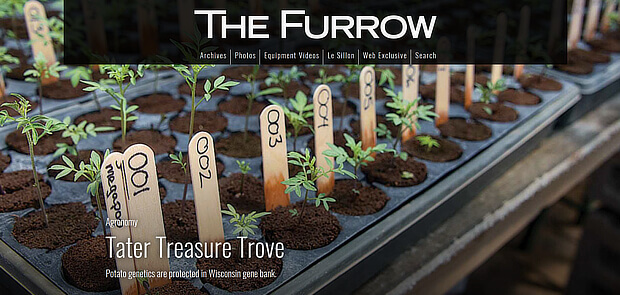
If you want to read about B2B content marketing examples which lasted for a longer period of time then you must read about John Deere’s The Furrow.
If you are into content marketing then you must have heard of this. This is probably one of the best content marketing examples available on the internet.
This campaign was first published in 1895 by John Deere and the campaign was all about solving the common problems faced by the company’s customers.
They targeted the right spot and along with solving the issues they also showed the expertise of their company at the same time. The campaign got widely popular and is still available today which means that the campaign is more than 120 years old and is still active (also available online).
5. AARP Viral Content Marketing Examples
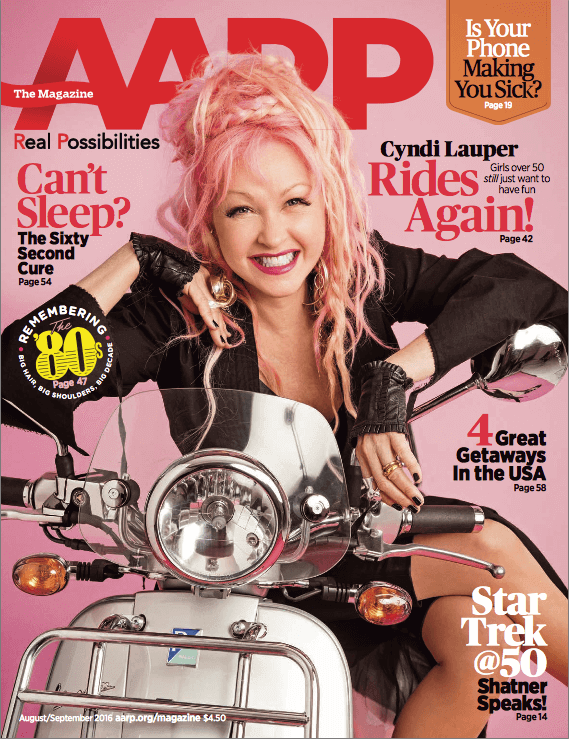
This content marketing example will let you know the importance of delivering the right piece of content required by your audience.
It also emphasizes knowing your audience in a better way. The quality contents and exceptional photography has fetched a number of rewards to the AARP magazine.
The success of this company is very obvious considering their efforts. They listened to their audience who reached them by emails and other mediums.
They worked accordingly and provided their audience with the relevant contents. Today this is America’s biggest consumer magazine and you can learn a lot of things from the content marketing example set by them.
6. Zomato Content Marketing Examples India
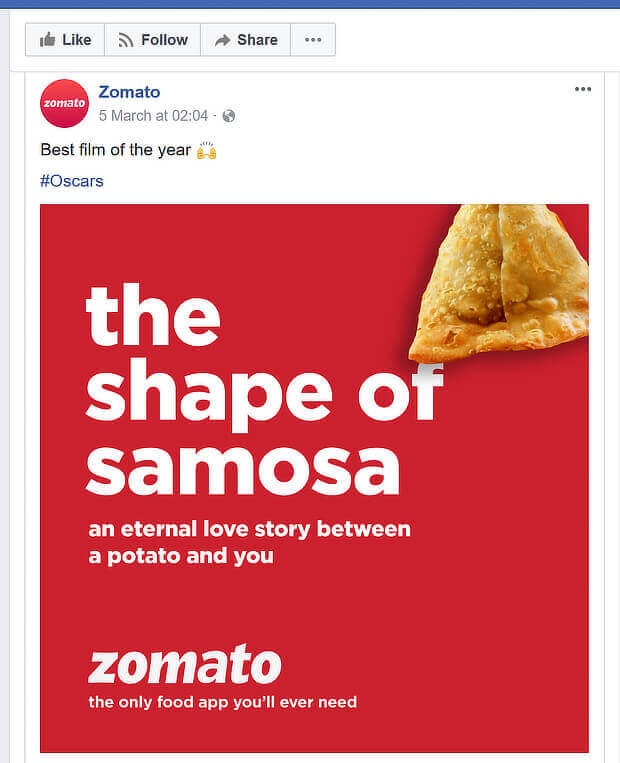
You can learn a lot from this restaurant finder mobile app. If you want to find out one of the best content marketing examples India about humour then probably this is one of the best.
Zomato uses humour in their marketing and they are really smart at this. They target the culture of a particular place and are very specific about it.
They once created an add where they talked about Samosa by taking the reference of an Oscar-winning movie; The shape of Samosa (the movie was The Shape of Water).
They are really creative with their marketing campaigns. The company is operating in 24 countries and holds more than 1.3 million followers on Twitter and the same goes for Facebook.
7. Zendesk Content Marketing Examples
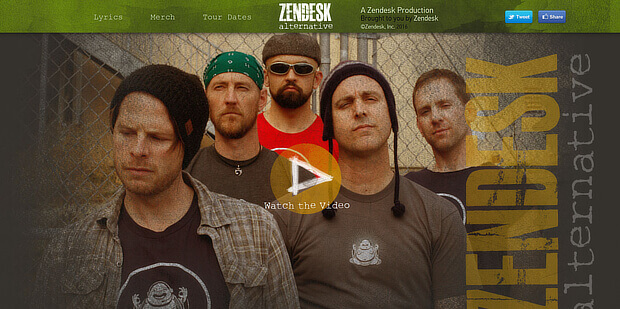
If you want to listen to the coolest viral content marketing examples then this is going to be among the best. They did something which could have gone completely against them.
They basically revealed their personality and the brand values at the same time which is rarely expected in any content marketing campaign.
If you are offering a product or service then there is a set of people who always look for alternatives to those. Zendesk found out that people are actually looking for their alternatives and they simply hijacked the keyword phrase and created a mini-site with an optimized video marketing strategy on the website and around it.
This was really effective as it made the people land at a similar page.
8. Buffer’s Open Blog Content Marketing Examples

This is probably one of the best B2B content marketing examples as it will tell you the success story of an app which achieved it from an innovative marketing campaign.
Buffer is basically a tracking app for social media. You can schedule your posts with its help and it also lets you track your progress on the platform.
They did something really innovative; Buffer’s open blog. It was a genius idea where there was transparency, trust, and openness.
They are telling you what they are doing and how can you do the same. They tell you the tips to achieve success like them and they basically aim to find the solution to their audience’s problem.
9. Microsoft & Stories Viral Content Marketing Examples

Microsoft set one of the best content marketing examples by creating a blog named “stories” which is used to tell you the stories.
They basically tell you good stories which hits on your mind and this allows you to develop a trust in them and eventually you end up buying from them.
It’s in your DNA to enjoy good stories and people at Microsoft knows it well. They focus on developing a better relationship which fetches them conversions.
Hence you need to focus on developing trust and relationship with your users for more customer acquisition.
10. McDonald’s Question Time Viral Content Marketing Examples

McDonald’s focused on developing a relationship by asking their user’s questions; all of the questions. They answered more than 10,000 questions and it helped them to strengthen their relationship with their customers.
According to their chief marketing officer, ‘your way of storytelling must be authentic’. They worked on a similar concept and build trust and belief.
You will have to work on your customer support and make it as better as you can and this will help you to strengthen the relationship between you and your audience.
Final Thoughts!
So, these were some highly effective and viral Content Marketing Examples that will help you understand how to connect with the audiences to ensure conversions and boost in sales.
Joining the Digital Marketing Course will help you understand the key idiosyncrasies of content marketing and their result driven implementation.
Which Content Marketing Examples did inspire you most? Share with us in the comments.