Last updated: August 2026 · Originally published: December 2017 · By the Digital Vidya Editorial Team
Here is a number that should change how you plan content in 2026: 27.2% of Google searches in the US now end without a single click, and AI answer engines like ChatGPT and Google AI Overviews are answering questions your blog used to answer. Relying on one content format — usually blog posts — is no longer a strategy. It is a liability.
The brands still growing organically in 2026 are the ones that diversify across content types: short-form video for discovery, interactive tools for engagement, original research for citations and backlinks, and email for owned reach that no algorithm can take away.
In this guide, you will learn the 25 types of content marketing that matter right now — what each one is, when to use it, a real example, and the key metric to track. You will also get a funnel map showing which content types work at each stage of the buyer journey, and a look at what actually drives leads for us at Digital Vidya. Whether you are building your first content marketing plan or refreshing an existing one, this is the complete 2026 playbook.
Key Takeaways
- There are 25 core types of content marketing in 2026, spanning written, video, audio, visual, interactive, and AI-personalized formats — no single format wins alone.
- Short-form video is the highest-reach format: 63% of consumers prefer short videos for learning about products, and 91% of businesses now use video as a marketing tool (Wyzowl, 2026).
- User-generated content converts best: 79% of consumers say UGC influences their purchase decisions, and 55% hesitate to buy without it (CreatorLabz; Bazaarvoice).
- Email remains the ROI king: top-performing teams report returns of $36–$50 for every $1 spent (Litmus benchmarks, 2025).
- AI has gone mainstream: 95% of B2B marketers now use AI-powered tools, but the winning play is AI-assisted, human-edited content — not fully automated publishing.
- Match content types to funnel stages: use video, social, and infographics for awareness; webinars, case studies, and email for consideration; testimonials, free tools, and brochures for conversion.
- Repurposing multiplies ROI: one webinar can become a blog post, five short videos, a podcast episode, an infographic, and a newsletter — plan content in clusters, not one-offs.
What Is Content Marketing?
Content marketing is the practice of creating and distributing valuable, relevant content — articles, videos, podcasts, tools, and more — to attract a defined audience and drive profitable customer action, rather than pitching products directly. Instead of interrupting people with ads, you earn their attention by solving their problems.
In 2026, that definition has expanded. Content is no longer only written for Google — it is created for YouTube and Instagram algorithms, for AI answer engines (a discipline now called Generative Engine Optimization, or GEO), and for communities on LinkedIn and WhatsApp. Content marketing is one of the 35+ types of marketing a modern business can use, and it underpins almost all of them. If you want the business case first, start with the benefits of content marketing.
Why Should You Use Different Types of Content Marketing?
Using multiple content types lets you reach different audience segments, on different platforms, at different stages of the buying journey — while protecting you from algorithm changes on any single channel. A strategy built only on blog traffic can lose half its reach in one Google update; a diversified mix cannot.
- Different people consume differently. Some prospects binge YouTube tutorials; others skim newsletters or listen to podcasts during commutes. 73% of Americans aged 12+ have now consumed a podcast in audio or video form (Edison Research, Infinite Dial 2025).
- Different formats serve different funnel stages. A meme can create awareness, but only a case study or testimonial closes a deal.
- Repurposing compounds returns. Each content type feeds the others — a survey becomes a report, which becomes an infographic, which becomes ten social posts.
- AI search rewards depth and variety. Answer engines cite sources that demonstrate first-hand experience and original data — formats like research reports, case studies, and expert interviews.
What Are the 25 Types of Content Marketing?
The 25 types of content marketing fall into six families: written content (blogs, eBooks, whitepapers), video content (short-form, long-form, live), audio content (podcasts), visual content (infographics, memes), interactive content (quizzes, tools, webinars), and trust content (case studies, testimonials, UGC). Here is each type, with when to use it and how to measure it.
1. Blog Posts and Long-Form Articles
Blog posts remain the backbone of organic visibility — the format most likely to rank in Google, get cited by AI answer engines, and build topical authority. In 2026, the bar is higher: thin 800-word posts rarely rank. What works is in-depth, experience-rich content organized in topic clusters, updated regularly, and optimized for both classic SEO and GEO.
With 40.3% of US Google searches still producing organic clicks, blogging is far from dead — but every post now has to justify the click with depth an AI summary cannot replicate. New to writing? Start with our beginner’s guide to content writing.
Best for: Awareness and consideration · Example: HubSpot’s topic-cluster blog, which drives millions of organic visits monthly · Key metric: Organic traffic and assisted conversions
2. Short-Form Video (Reels, Shorts, TikTok)
Short-form video — Instagram Reels, YouTube Shorts, and TikTok — is the single biggest shift in content marketing since the original version of this article was published. 63% of consumers say short videos are their preferred way to learn about products, and 71% of marketers say videos between 30 seconds and 2 minutes deliver the best results (Wyzowl, 2026).
The winning formula in 2026: a hook in the first two seconds, one idea per video, captions for silent viewing, and a native feel for each platform. Tools like CapCut and Descript have made professional editing accessible to solo marketers.
Marketers can also use accessible editing tools to add subtitles to video content, helping viewers understand the message even when they are watching without sound. This is especially useful for Reels, Shorts, and TikTok videos, where clear on-screen captions can improve accessibility, retention, and overall viewing experience.
Best for: Awareness and reach · Example: Duolingo’s TikTok, which turned a mascot into 10M+ followers · Key metric: Reach, watch time, and profile visits
3. Long-Form Video and YouTube Content
Long-form video — tutorials, explainers, product demos, and vlogs — builds deeper trust than any short clip. 96% of consumers have watched an explainer video to learn about a product, and 85% say video has convinced them to buy (Wyzowl, 2026). YouTube doubles as the world’s second-largest search engine, giving every video lasting search visibility that short-form rarely achieves.
Best for: Consideration and education · Example: Ahrefs’ YouTube tutorials, which drive product signups directly · Key metric: Watch time, subscriber growth, and conversions from video
4. Live Streaming and Live Commerce
Live video on YouTube, Instagram, LinkedIn Live, and Amazon Live creates urgency and unfiltered authenticity — product launches, behind-the-scenes sessions, and live Q&As consistently out-engage recorded video. In India, live commerce (selling during streams) has become a serious revenue channel for D2C brands on Instagram and Flipkart Live.
Best for: Engagement and community · Example: Flipkart and Myntra live shopping events during festive sales · Key metric: Concurrent viewers, comments, and live conversions
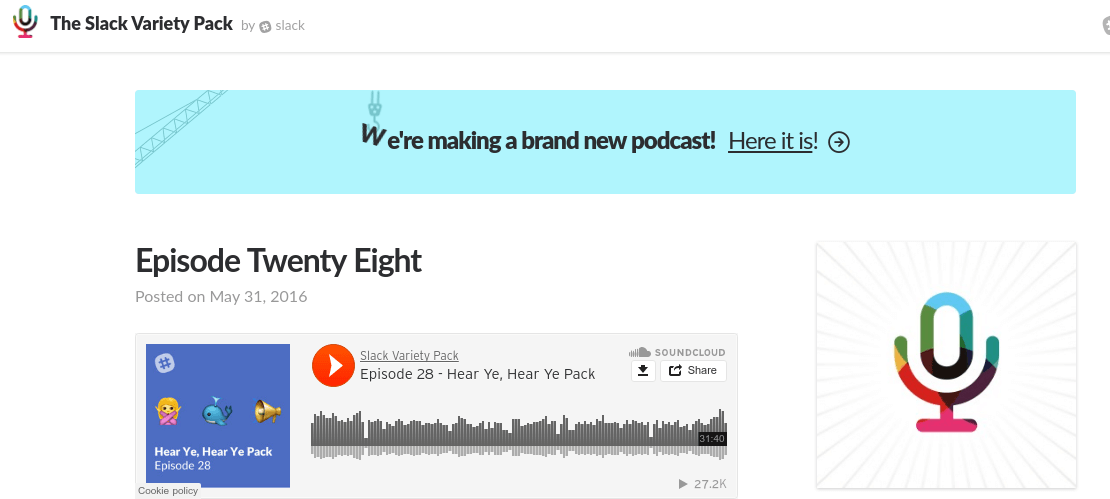
5. Podcasts (Audio and Video)
Podcasting has hit record highs: 55% of Americans 12+ are now monthly podcast consumers, and 73% — about 210 million people — have consumed a podcast in audio or video form (Edison Research, Infinite Dial 2025). The big 2026 shift is video podcasts: YouTube is now the most-used podcast platform (33% of weekly listeners), which means every episode can be clipped into Shorts and Reels.
Podcasts excel at borrowing audiences — every guest brings their followers — and at building the long, trust-heavy relationships that B2B sales require. Tools like Riverside and Descript handle recording and editing; Spotify for Creators and YouTube handle distribution.
Best for: Authority and loyalty · Example: The Knowledge Project and countless niche B2B shows that feed the sales pipeline · Key metric: Downloads/views per episode and listener retention
6. Social Media Content
Platform-native social content — carousels on Instagram and LinkedIn, text posts on X (formerly Twitter) and Threads, Stories, polls — deserves its own strategy, not just links to your blog. The algorithm rewards content designed for the feed: carousels that teach, posts that spark comments, and formats that keep users on-platform.
Best for: Awareness and community · Example: Zomato and Swiggy’s X presence — product marketing disguised as entertainment · Key metric: Engagement rate and follower growth
7. User-Generated Content (UGC)
UGC — customer photos, videos, reviews, and unboxings — is the most trusted content you can publish, precisely because you did not make it. 79% of consumers say UGC influences their purchase decisions (CreatorLabz), 93% of marketers say it outperforms branded content (Billo), and 55% of shoppers hesitate to buy a product that has no UGC at all (Bazaarvoice).
Build UGC systematically: branded hashtags, post-purchase review prompts, contests, and permissioned reposting. Many brands now also commission “UGC-style” creator content for ads — authentic in format, controlled in message.
Best for: Conversion and trust · Example: Mamaearth and boAt reposting customer content across Instagram · Key metric: UGC volume and conversion lift on pages featuring it
8. AI-Generated and Personalized Content
The newest category on this list — and the fastest-growing. 95% of B2B marketers now use AI-powered tools, and 89% use AI for content creation. AI’s real power is not mass-producing generic articles (Google’s Helpful Content system actively demotes that); it is scale with personalization: dynamic email content per segment, product descriptions in bulk, first drafts and outlines, and repurposing one asset into ten formats.
The 2026 rule: AI-assisted, human-verified. Add original experience, data, and opinion that no model can generate — that is what both readers and AI answer engines reward. This human-plus-AI workflow is exactly what we teach in our Certified AI Digital Marketing Master (CADMM) course.
Best for: Scale and personalization across all stages · Example: Netflix-style personalized recommendations; dynamic email blocks per user segment · Key metric: Output velocity and engagement rate vs. non-personalized baseline
9. Infographics and Data Visualizations
Infographics compress complex information into a single shareable visual — and they remain among the most-linked content formats, making them a quiet backlink engine. In 2026 the format has evolved: think data visualizations, annotated charts, and carousel-friendly “infographic slices” sized for LinkedIn and Instagram rather than one giant vertical image. Canva and Piktochart make production fast.
Best for: Awareness and backlinks · Example: Statista and Visual Capitalist charts shared across the industry · Key metric: Shares and referring domains earned
10. eBooks
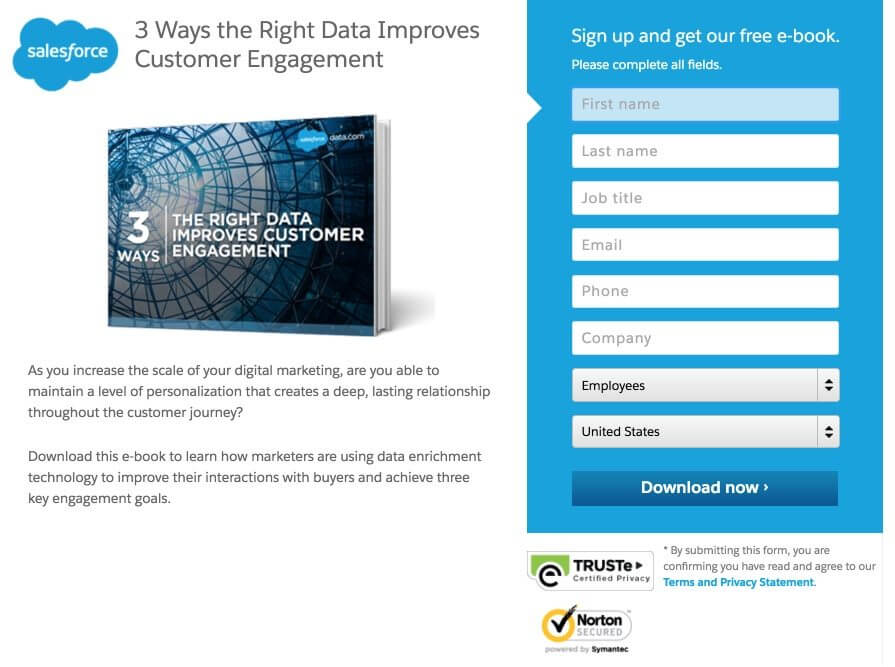
eBooks package deep expertise into a downloadable asset — the classic lead magnet. They still work when the topic is specific and the value obvious (“The 2026 Instagram Ads Benchmark Book” beats “A Guide to Social Media”). Gate them behind an email form and nurture the leads with an automated sequence.
Best for: Lead generation · Example: HubSpot’s library of gated marketing eBooks · Key metric: Download-to-lead conversion rate
11. Whitepapers and Original Research Reports
Whitepapers and original research are the heavyweight trust builders of B2B content. Running your own survey and publishing the results (“State of Digital Marketing in India 2026”) earns three things at once: backlinks from everyone citing your data, authority with buyers, and — increasingly important — citations inside AI answer engines, which favor original data sources.
Best for: Authority, backlinks, and enterprise leads · Example: Wyzowl’s annual Video Marketing Survey — cited in this very article · Key metric: Backlinks, media mentions, and qualified leads
12. Case Studies
A case study tells the story of a real customer getting a real result — the single most persuasive asset for bottom-of-funnel B2B buyers. The 2026 format is problem → approach → measurable outcome, with specific numbers (“212% increase in organic leads in 6 months”), a customer quote, and a video version for social distribution.
Best for: Decision stage · Example: Shopify’s merchant success stories · Key metric: Influence on closed deals (ask sales!)
13. Webinars and Virtual Events
Webinars deliver an hour of face time with high-intent prospects — unmatched for consideration-stage education. They remain a top B2B lead-generation format, and every webinar is also a content factory: the recording becomes a YouTube video, clips become Reels, the transcript becomes a blog post, and the Q&A becomes an FAQ page.
Best for: Consideration and lead qualification · Example: Digital Vidya’s own free masterclasses, which introduce thousands of learners to our courses · Key metric: Registrations, live attendance rate, and attendee-to-customer conversion
14. Email Newsletters
Email is the only channel you own outright — no algorithm sits between you and your subscriber. It still delivers the best ROI in marketing: top-performing teams report $36–$50 back for every $1 spent (Litmus benchmarks, 2025). The 2026 newsletter is not a “company update”; it is a product in itself — curated insight, a consistent voice, and one clear idea per issue.
Best for: Nurturing and retention · Example: Morning Brew and The Hustle, which built nine-figure businesses on newsletters · Key metric: Open rate, click rate, and revenue per subscriber
15. Interactive Content: Quizzes, Calculators, and Polls
Interactive content makes the audience a participant — quizzes (“Which digital marketing career fits you?”), ROI calculators, assessments, and polls. Marketers using interactive content report higher strategy success rates than those without (44.4% vs 39.9%), and each completion can capture zero-party data: information prospects volunteer about themselves, gold in a privacy-first world.
Best for: Engagement and lead capture · Example: HubSpot’s Website Grader — a calculator that has generated leads for over a decade · Key metric: Completion rate and leads captured
16. Templates, Checklists, and Swipe Files
Templates do the work for your audience — a social media calendar template, an SEO audit checklist, a cold email swipe file. They convert exceptionally well as lead magnets because the value is immediate and practical, and they keep your brand in front of users every time they open the file.
Best for: Lead generation and repeat brand exposure · Example: Notion’s template gallery, a full acquisition channel · Key metric: Downloads and email signups
17. Free Tools
A free tool is the most durable lead magnet there is: headline analyzers, keyword generators, QR code makers, grade calculators. Unlike a blog post, a genuinely useful tool earns links, repeat visits, and word-of-mouth for years. With AI-assisted development, shipping a simple tool in 2026 costs a fraction of what it did when this article was first published.
Best for: Evergreen traffic and leads · Example: CoSchedule’s Headline Analyzer; Ahrefs’ free keyword tools · Key metric: Tool users and tool-to-signup conversion
18. Online Courses and Learning Hubs
A free course or academy is the deepest commitment a prospect can make short of buying — hours of your brand teaching them. HubSpot Academy and Google’s Skillshop turned education into acquisition engines, generating certified users who default to their platforms. At Digital Vidya, free masterclasses and workshops serve exactly this role ahead of our certification programs.
Best for: Authority and high-intent lead nurturing · Example: HubSpot Academy certifications · Key metric: Course completions and learner-to-customer conversion
19. Thought Leadership and Founder-Led Content
Buyers increasingly trust people over logos. Thought leadership — opinionated LinkedIn posts, industry predictions, contrarian takes, personal newsletters from founders and executives — humanizes a brand and reaches audiences organically that company pages cannot. In an AI-content-flooded feed, a genuine practitioner’s point of view is the scarcest asset, and it is a direct E-E-A-T signal for search.
Best for: Authority and B2B pipeline · Example: Indian founders building distribution on LinkedIn — from Zerodha’s Nithin Kamath to countless SaaS CEOs · Key metric: Engaged followers and inbound opportunities
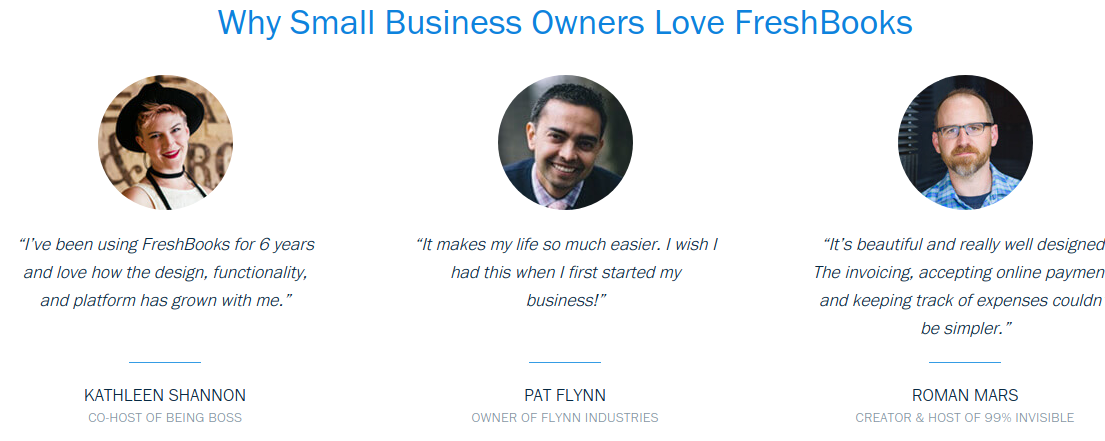
20. Testimonials and Reviews
Testimonials and third-party reviews (Google, G2, Trustpilot) are conversion content — they answer the buyer’s final question: “Did this work for someone like me?” Video testimonials outperform text, and review-rich pages convert measurably better. Systematize collection: ask at the moment of success, not months later.
Best for: Decision stage · Example: Digital Vidya’s alumni success stories · Key metric: Review volume/rating and conversion lift on pages with testimonials
21. Memes and GIFs
Memes and GIFs are the native language of social feeds — low-cost, high-relatability content that makes a brand feel human. They work when they are fast (riding a trend within hours, not weeks) and self-aware. The risk profile is real: humor that misses can hurt, so know your audience. Amul’s topical creatives remain the Indian gold standard, decades before “memes” had a name.
Best for: Awareness and engagement · Example: Amul topicals; Zomato’s push notifications and meme marketing · Key metric: Shares and engagement rate
22. Presentations and Slide Decks
Slide decks live on in a new home: the LinkedIn carousel (technically a PDF document post), which is among the highest-engagement organic formats on the platform. One well-designed 10-slide breakdown of a framework or process can outperform a month of text posts. Repurpose webinar decks, report highlights, and how-to processes into carousels with Canva.
Best for: B2B awareness and authority · Example: LinkedIn creators turning frameworks into carousel series · Key metric: Engagement rate and saves
23. Guest Blogging and Digital PR
Publishing on other people’s platforms — industry blogs, publications, expert roundups — borrows their audience and earns authoritative backlinks. In 2026 the practice has matured into digital PR: contributing genuine expertise and data to publications, not spinning low-quality posts for links (which Google’s spam systems now neutralize). Quality over quantity, always.
Best for: Backlinks, authority, and referral traffic · Example: Experts contributing to MarketingProfs, YourStory, or Inc42 · Key metric: Referring domains and referral signups
24. Interviews, Q&As, and AMAs
Interviewing experts and running Q&A sessions — podcast interviews, LinkedIn Live AMAs, community Q&As on Reddit or Quora — creates authority by association and answers real audience questions in their own words. Every interview doubles as relationship-building with an influencer in your niche, and the transcript feeds your blog and FAQ content.
Best for: Authority and community trust · Example: Reddit AMAs; expert interview series on YouTube and podcasts · Key metric: Engagement and audience growth from guest cross-promotion
25. Product Brochures and Sales Enablement Content
At the very bottom of the funnel sits sales enablement content: product one-pagers, comparison sheets, pricing guides, and interactive digital brochures. This content does not attract strangers — it equips warm buyers (and your sales team) to say yes. In 2026 these are interactive web pages and PDFs with embedded video, not print pieces.
Best for: Decision stage · Example: SaaS comparison pages (“X vs Y”) and course syllabus downloads · Key metric: Content-influenced close rate
How Do You Choose the Right Types of Content Marketing?
Choose content types by matching three things: where your audience already spends time, which funnel stage you need to strengthen, and what your team can produce consistently. A two-person team that ships one great newsletter and two Reels a week will beat a team that attempts all 25 formats and sustains none.
- Start with audience research. Where do your buyers actually consume content — YouTube, LinkedIn, WhatsApp, email? Survey them; check analytics.
- Audit your funnel. Lots of traffic but few leads? Add lead magnets (eBooks, tools, webinars). Leads but few sales? Add case studies and testimonials.
- Match formats to resources. Video-shy team? Start with podcasts or carousels. No designer? Use Canva templates.
- Pick 3–5 core formats, master them for two quarters, then expand through repurposing rather than net-new production.
Which Content Types Work at Each Funnel Stage?
Awareness-stage buyers need discovery formats (short-form video, social content, infographics); consideration-stage buyers need depth (webinars, long-form video, email); decision-stage buyers need proof (case studies, testimonials, comparisons). This table maps all 25 types to the funnel with the primary KPI for each stage.
| Funnel Stage | Goal | Best Content Types | Primary KPIs |
|---|---|---|---|
| Awareness (TOFU) | Get discovered by new audiences | Short-form video, blog posts, social content, infographics, memes/GIFs, podcasts, guest blogging, slide decks | Reach, organic traffic, engagement rate |
| Consideration (MOFU) | Educate and capture leads | Long-form video, webinars, eBooks, whitepapers/research, interactive tools, templates, courses, interviews, thought leadership | Leads, email signups, time on content |
| Decision (BOFU) | Convert leads into customers | Case studies, testimonials/reviews, UGC, product brochures/comparisons, live demos | Conversion rate, content-influenced revenue |
| Retention & Advocacy | Keep and grow customers | Email newsletters, communities, AI-personalized content, courses, live streams, UGC campaigns | Repeat purchase, referrals, churn reduction |
How Much Effort Does Each Content Type Take?
Content types vary enormously in cost and payoff speed — memes cost almost nothing and pay off instantly, while original research takes months but compounds for years. Use this comparison to sequence your investments.
| Content Family | Effort / Cost | Time to Results | Longevity | Best For |
|---|---|---|---|---|
| Memes, GIFs, social posts | Low | Days | Short | Reach on a budget |
| Short-form video | Low–Medium | Weeks | Short | Fast audience growth |
| Blog posts, newsletters | Medium | 3–6 months | Long (evergreen) | Compounding organic reach |
| Podcasts, long-form video | Medium–High | 3–6 months | Long | Trust and authority |
| Webinars, case studies, eBooks | Medium | Weeks–months | Medium | Lead generation |
| Original research, free tools, courses | High | 3–12 months | Very long | Backlinks, moats, AI citations |
What Are the Biggest Content Marketing Trends in 2026?
Four forces are reshaping content marketing in 2026: AI-assisted creation, Generative Engine Optimization (GEO), the continued dominance of short-form and video podcasts, and the shift from traffic metrics to owned-audience metrics.
- AI-assisted, human-led creation is the default. With 95% of B2B marketers using AI tools, the differentiator is no longer access to AI — it is the human layer: first-hand experience, original data, and a recognizable voice.
- GEO joins SEO. With 27.2% of US searches ending without a click and AI Overviews answering questions directly, brands now optimize to be cited by ChatGPT, Perplexity, and Google AI Overviews — which favor original research, expert quotes, and clearly structured answers.
- Video podcasts and short-form clips converge. YouTube is now the #1 podcast platform; one recorded conversation feeds every channel.
- Owned audiences beat rented reach. Newsletters, communities, and WhatsApp channels are rising because algorithm reach keeps falling. The metric that matters is subscribers you can reach on demand.
What Content Types Drive Results for Digital Vidya?
A note from our own experience, since we practice what we teach. After 16+ years of training over 120,000 professionals, the content mix that consistently drives Digital Vidya’s growth is: free webinars and masterclasses (our single largest source of course enrollments), SEO blog content like this guide (evergreen discovery), alumni success stories (our highest-converting decision-stage asset), and email nurture sequences that connect the three. Short-form video is our fastest-growing channel for reaching younger career-switchers.
The lesson we would pass on: your best content mix is discoverable only by measuring. Start with one discovery format, one lead-capture format, and one proof format — then double down where the data points.
Frequently Asked Questions
Which type of content marketing is most effective in 2026?
There is no single winner — effectiveness depends on your goal. Short-form video delivers the widest reach, email newsletters deliver the highest ROI ($36–$50 per $1 for top teams), and case studies plus UGC convert best at the decision stage. The most effective strategies combine one format per funnel stage rather than betting everything on one type.
What are the main categories of content marketing?
The 25 types group into six families: written content (blogs, eBooks, whitepapers), video content (short-form, long-form, live), audio content (podcasts), visual content (infographics, memes, slide decks), interactive content (quizzes, calculators, webinars, tools), and trust content (case studies, testimonials, reviews, UGC).
How many content types should a small business start with?
Start with three: one discovery format (short-form video or blog posts), one lead-capture format (a newsletter, template, or webinar), and one proof format (testimonials or a case study). Master those for six months, then expand by repurposing — not by adding net-new production burden.
Is blogging still worth it in 2026 with AI search?
Yes — but only depth survives. 40.3% of US Google searches still produce organic clicks, and AI answer engines cite well-structured expert content. Thin, generic posts are dead; in-depth articles with original experience, data, and clear structure now earn both rankings and AI citations.
Is AI-generated content bad for SEO?
Not inherently. Google evaluates helpfulness, not authorship method. AI-assisted content that adds human expertise, first-hand experience, and original insight can rank well. Mass-produced, unedited AI content is what Google’s Helpful Content and spam systems demote. The safe workflow: AI drafts, human verifies, expert adds experience.
What is the cheapest type of content marketing?
Social media posts, memes, and repurposed content cost the least to produce. UGC is arguably cheaper still — customers create it for you; your cost is the system for collecting and permissioning it. Short-form video is low-cost if you shoot on a phone and edit with free tools like CapCut.
How do I measure content marketing ROI across different types?
Assign each content type one primary KPI tied to its funnel stage: reach and engagement for awareness content, leads and signups for consideration content, and content-influenced revenue for decision content. Use UTM parameters, first-touch/multi-touch attribution in GA4, and ask new customers “what convinced you?” — the answer is usually a content asset.
What is the difference between content marketing and content writing?
Content writing is one skill within content marketing. Writing produces the asset (a blog post, an email); content marketing is the full system — strategy, creation across formats, distribution, and measurement. If you want to build the writing skill first, see our guide to starting content writing.
Conclusion: Build a Mix, Not a Monolith
The 25 types of content marketing are not a checklist to complete — they are a menu. The brands winning in 2026 pick a focused mix matched to their audience and funnel, repurpose relentlessly, keep a human voice in an AI-flooded feed, and measure everything. Start with three formats, get consistent, and expand from strength.
Want to master every format on this list — with AI workflows built in? Explore Digital Vidya’s Certified AI Digital Marketing Master (CADMM) course, or see real-world applications in our roundup of content marketing examples.
Change Log
- v3.0 (August 2026): Complete rewrite. Expanded from 20 to 25 types; added short-form video, UGC, AI-generated/personalized content, interactive tools, original research, thought leadership, online courses, and free tools. Added Key Takeaways, funnel map, effort comparison table, 2026 trends, FAQ, and current statistics (Wyzowl 2026, Edison Research 2025, Litmus 2025). Removed outdated references (Google Hangouts, 2014–2017 examples and statistics).
- v1.0 (December 2017): Original publication covering 20 content types.
WOW, This information is very useful in the field of digital marketing! O found this very helpful
Hi Andriyan – Thanks for reading the post, happy to know you found it useful.