


Seeing the popularity and power of Social Media Channels, businesses and marketers look for different types of Social Media networks that they can use to target and convert their audiences.
General people are only aware of Facebook, Twitter, Snapchat, and Instagram sorts of social channels.
Social media will help you build up loyalty of your current customers to the point that they will willingly, and for free, tell others about you.
Over 88% of the companies are now marketing on Social Media.
But for a marketer or any brand, many other types of Social Media channels are there to explore, as they play a significant role in targeting and converting prospects.
Do you wish to become a Full Stack Digital Marketing?
Check out our Certified Digital Marketer Masters Course!
In this post, we shall deep dive into all the different types of Social Media Marketing networks that can optimize your reach and brand awareness on the web.
Different Types of Social Media Networks
1. Social Networks: Facebook, Twitter, LinkedIn
Such types of Social Media are used to associate with individuals (and brands) on the web. They help your business via branding, social awareness, relationship building, customer service, lead generation, and conversion.
You can channelize different types of Social Media campaigns on these networks that will help you widen your reach. Some of the benefits of these Social Marketing Networks are-
(i) They encourage individuals and businesses to interact online and share data and thoughts for ensuring mutually productive relationships
(ii) In case you are searching for the best ways to optimize current marketing campaigns then you will discover a variety of organic and paid ways to do this on Facebook, Twitter, and LinkedIn sorts of social networks.
2. Media Sharing Networks: Instagram, Snapchat, YouTube
Media sharing types of Social Media are used to find and share photographs, live video, video and other kinds of media on the web.
They are also going to help you in brand building, lead generation, targeting and so on. They give individuals and brands a place to discover and share media so the target audiences can be targeted and converted into a convincing and result-driven way possible.
Social networks nowadays also offer these features, however, for Media Sharing Networks, sharing of media is their basic role.
(i) Starting with image or video on Instagram, YouTube and Snapchat types of media sharing networks would be more beneficial for you.
(ii) To decide whether you should use these networks for your business or not, you should consider your resources and target audiences. These channels will help you run well-planned campaigns to generate leads and widen your audience base.
3. Discussion Forums: Reddit, Quora, Digg
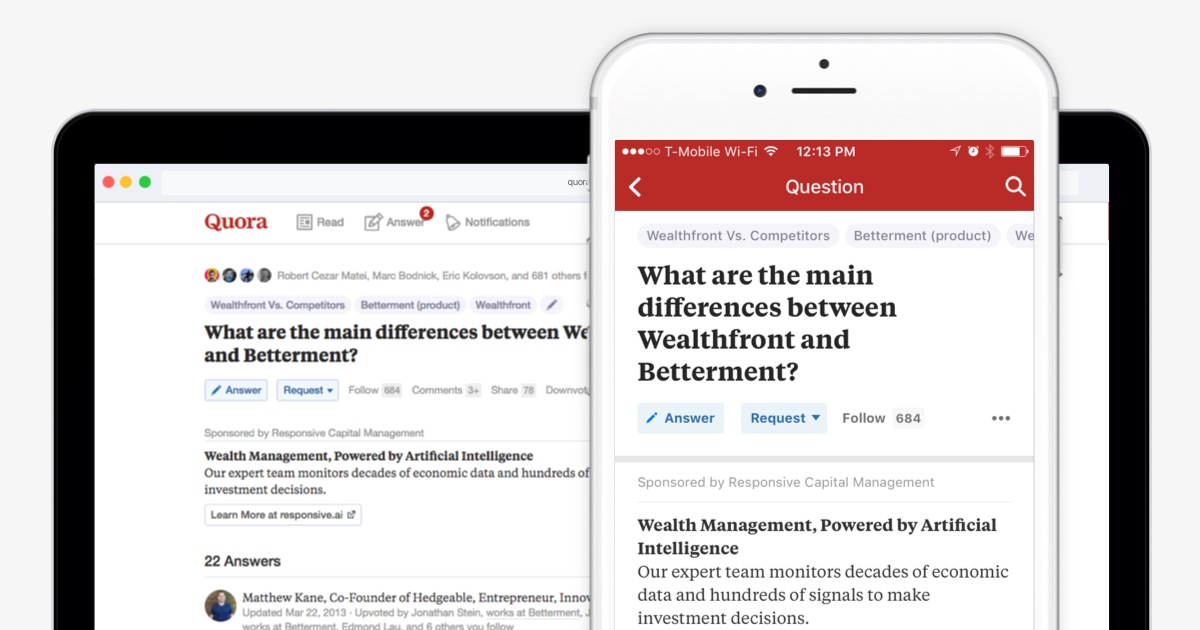
Such types of Social Media channels are used for finding, sharing, and discussing different kinds of information, opinions, and news.
They help businesses by being top-notch resources for doing immaculate market research. These forums are the oldest ways of running Social Media Marketing campaigns.
Before the entry of popular Social Media players like Facebook, these forums were the places where professionals, experts, and enthusiasts used to do different kinds of discussions concerning a variety of fields.
(i) These discussion forums have a massive number of users and it ensures unprecedented reach for your business. These are the places that provide the answers to different queries of any domain.
(ii) In case your business needs deep customer research then these places would the most befitting ones for your business.
(iii) Along with sharing information and knowing answers, these places are very impactful in advertising as well.
4. Bookmarking & Content Curation Networks: Pinterest, Flipboard
Opting for such types of Social Media will help you find out, share, discuss, and save a variety of the latest content and media that are trending as well.
They are very helpful in channelizing brand awareness for your business, plus, choosing this one to run different types of Social Media Marketing campaigns will help you generate website traffic and customer engagement.
In case you want to run some out-of-the-box highly creative campaigns that can not only inform your audience but also attract them then this one is the best fit.
(i) To run a Social Media campaign on Pinterest, you need to have a site that is bookmark-friendly. You should optimize headlines and images for the feeds that Bookmarking and Content Curation Networks use for accessing and sharing your content.
(ii) Flipboard lets you create your own Flipboard magazine by using the most engaging content and then you can showcase that to your audiences.
5. Consumer Review Networks: Yelp, Zomato, TripAdvisor
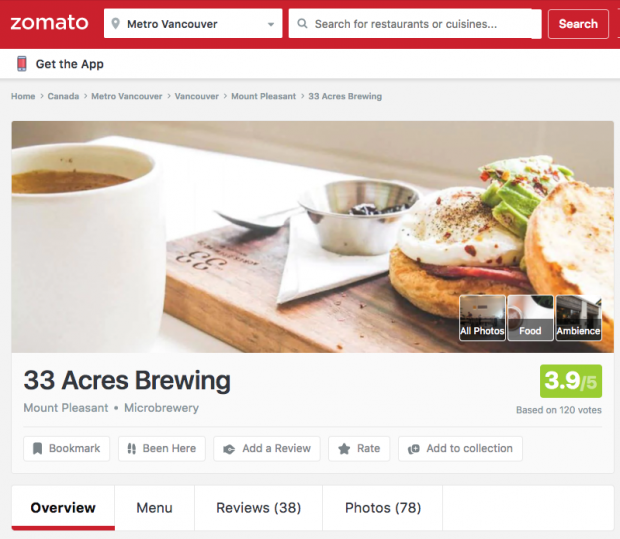
Using Customer Review networks will help you find out, share and review different information about a variety of products, services or brands.
When a business has positive reviews on these networks, their claims turn more credible because reviews on these networks act as Social Proof.
For running a successful Social Media Marketing Campaigns, it is very important for today’s businesses to have positive reviews on these sites.
In addition, resolving all the issues that your customers are posting on these Review platforms is another thing that is going to be very important for the positive and productive outcomes for your business.
(i) These networks offer a place to users for reviewing different kinds of products and services that they have used.
(ii) Review content adds great value to any brand because it will influence more and the number of new buyers to attempt your services.
(iii) Yelp and Zomato are the types of social media platforms that offer location-based review services that will help you run location-based social campaigns.
6. Blogging & Publishing Networks: WordPress, Tumblr, Medium
You should choose these types of Social Media networks for publishing, discovering and commenting on articles, social media blogs and other content on the web.
Content marketing is one of the most powerful ways to target, attract, engage and convert a target audience. It is going to be the base of successful online marketing campaigns that play the most important role in conversion funnels of Digital Marketing campaigns.
WordPress and Blogger are the traditional blogging platforms while Tumblr (micro-blogging service) and Medium (Social Publishing Platform) is the latest blogging and publishing networks.
(i) These networks are must for the businesses that want to effectively use Content Marketing, plus, you can share this content on a variety of Social Networks like Facebook, Twitter, LinkedIn, etc.
(ii) Content that you use on these networks will also help you create a niche for your business and audiences who are in search of information concerning that niche will for sure visit your blog or site.
7. Social Shopping Networks: Polyvore, Etsy, Fancy
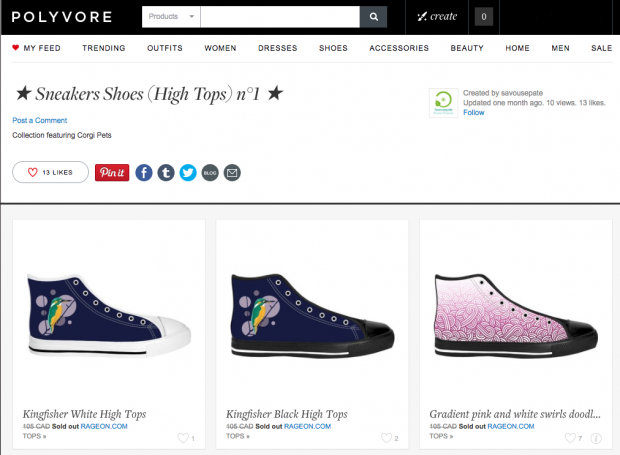
Want to find out all the latest trends in the marketing or crave to know the shopping tips then such types of Social Media channels are for you.
In addition, they help you follow different brands, share interesting things and make a purchase on these Social Shopping networks.
Businesses can use such types of Social Media Platforms for creating brand awareness, boosting engagement and selling products on some new and effective platforms. These channels transform e-commerce by making them more engaging via some interesting social elements.
(i) To use these networks effectively you should create a site that integrates shopping experience with social experience.
(ii) These networks are very result-driven for small businesses and startups as they can sell their products without any land-based office or store.
8. Interest-Based Networks: Goodreads, Houzz, Last.fm
You can use such types of Social Media networks for connecting with other people who have the same sorts of hobbies or interests.
You can easily find the audiences who are interested in knowing more and more about the kinds of products and services that you offer.
This makes it one of the best networks for engaging with your audience and creating exclusive brand awareness online. Compared to big social networks, using Interest-based networks would help you run a more targeted campaign.
(i) Choosing these networks will help you focus solely on a single product or service related to any particular subject, for instance, home décor, Digital Marketing Training, Music, Books, etc.
(ii) These networks are the best places to engage with the audiences of a particular niche.
Summing Up!
While summing up this post, let us talk about some other social networks that are not as prominent as the aforestated ones but they can also create an impact if your business suits their working.
In the list, first one is Sharing Economy Networks such as Airbnb, Uber, TaskRabbit that let you advertise, buy, find, sell, share and do a trade of a variety of products and services amongst the peers.
Then comes some anonymous social networks such as Whisper, After School and Ask.fm that are generally used for venting, gossiping, snooping sorts of activity.
They are not going to be very beneficial for your business but in case you want to post something anonymously, you can choose these types of social media platforms.
These anonymous networks are actually a fun place where confessions get converted into content- After doing lots of serious work, such fun will for sure act as the impetus needed to recharge you.
Nevertheless, if you want to supercharge your Social Media Expertize, you need to go through some serious & practical training while having detailed insights on the impact of social media.
Social Media Certification Course takes you through that kind of training on live projects and helps you be certified Social Media Marketer.
To build your career in the Digital Marketing Industry, read this ebook on “The Journey of a Digital Marketer“.
Want to know what types of Social Media Marketing campaign would be best fit for your business? – Share your details in comments and we shall answer you.













The importance of social networking sites in today’s world is immense. Indeed, the above mentioned websites are best.
Hey, this is an Amazing article. You keep all the important information straight and clear.
Hello, First of all, your information is very amazing and so much inspired by me. Keep it up and Thank you very much.:)
Comment *Thank you for the information it has been very helpful
You’re Welcome.
Thanks for sharing this amazing piece of content. This one is really helpful.
Thank you for your kind words.
Thanks.
This blog is very informative, updated, and transparent.
What a chunk of beneficial information is supplied through this blog! It’s outstanding.
Thanks for leaving us such a wonderful review.
Great article on the different types of social media. It’s fascinating to see how quickly the social media landscape is evolving and how new platforms are emerging. Your insights on the latest trends and developments in the industry are truly valuable.
Thank you so much.